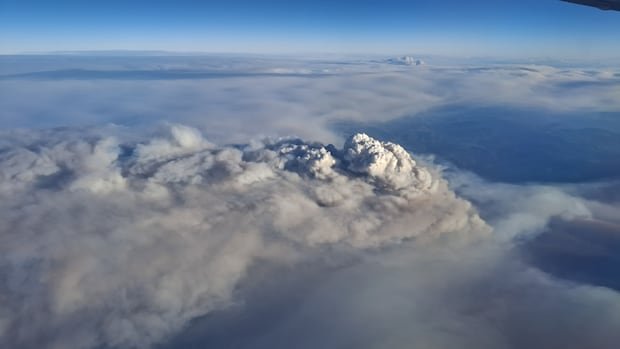
The CBC story explains that researchers aim to understand how these fire-induced storms form and behave, including how they interact with broader weather patterns. The instrumentation on the NASA aircraft is used to measure atmospheric conditions within and around pyrocumulonimbus clouds, providing data on temperature, humidity, wind, and particle content. Such measurements help scientists assess how fires influence storm development and how those storms, in turn, affect fire behavior.
Experts highlighted in the coverage note that climate change is associated with an uptick in extreme fire events and in the intensity of pyrocumulonimbus activity. As warmer temperatures and drier conditions persist, the likelihood of large, volatile fire clouds increases, potentially elevating risks for both firefighters and nearby communities.
The report did not specify the exact date of the overflight or the precise location within British Columbia where the reconnaissance occurred, but it emphasized that the mission was designed to capture real-time data from active fire environments. NASA’s involvement underscores a broader research focus on the atmospheric impacts of wildfires and the role of pyrocumulonimbus storms in shaping fire behavior.
Officials and scientists caution that while observations from aircraft provide valuable insight, data analysis takes time, and findings contribute to ongoing modeling efforts intended to improve forecasting and safety measures for wildfire response teams. The CBC feature with meteorologist Johanna Wagstaffe further explains the science behind fire clouds and the implications of their increasing frequency in a warming climate.