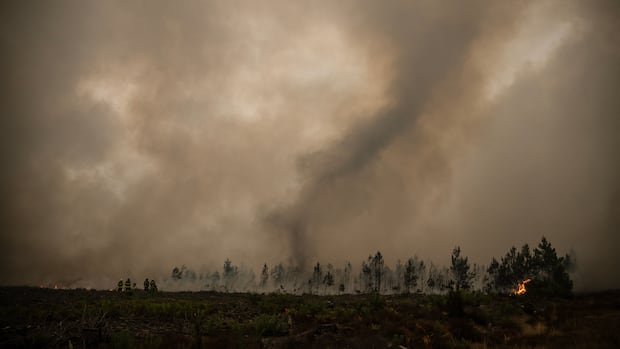
In France, authorities have battled multiple wildfires threatening vineyards and rural communities as smoke drifts over established appellations. Winemakers report disrupted growing seasons, with heatwaves accelerating ripening and stressing vines. Regions traditionally known for cool-climate grapes are contending with shifting patterns that could alter flavor profiles and scheduling for harvests.
Canada’s Okanagan Valley, a key wine-producing region in British Columbia, is also feeling the effects of heat and fire-related events. Vineyards face water management challenges and the risk of smoke taint, which can affect grape quality and marketability. Industry insiders note that these conditions necessitate adjustments in canopy management, irrigation strategies, and decisions about which varieties to plant or prioritize for future vintages.
Experts describe climate change as a growing factor in the unpredictability of growing seasons. Projections suggest more frequent and longer-lasting droughts, more intense heat waves, and an increased frequency of fires near agricultural lands. The changes are prompting wineries to re-evaluate risk management practices, including harvest timing, insurance coverage, and investment in fire suppression and air-quality monitoring.
The broader wine industry is adapting by exploring drought-resistant rootstocks, altered trellising techniques, and grape selections that tolerate higher temperatures. Vintners emphasize that preparing for shifting climate patterns requires long-term planning, collaboration with researchers, and support from policymakers to mitigate risks associated with extreme weather and smoke exposure.
While the immediate human and environmental costs of wildfires are severe, industry representatives say that resilience and adaptation will be essential for maintaining wine quality and regional reputations in a warming climate. The coming vintages will reveal how these changes influence traditional winemaking practices and regional identities across major wine-producing landscapes.