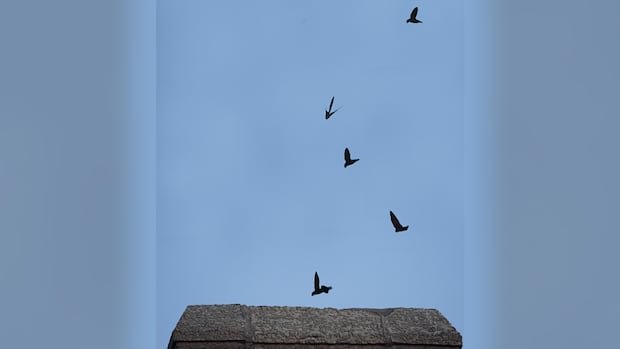
Chimney swifts are known for forming communal roosts and nests inside chimneys or similar cavities, and their presence in urban settings often draws attention from wildlife officials and conservationists. In Manitoba, where the birds are considered threatened, the sight of nesting swifts can trigger protective considerations under provincial and federal guidelines meant to safeguard migratory birds and their habitats.
Neighbors and the homeowners reported that the birds arrived without warning and established nests within accessible parts of the house. The situation has prompted discussions among local conservation groups about the best practices for coexistence, emphasizing that human intervention should be minimized to avoid disturbing the nesting birds during critical periods of reproduction and chick development.
Experts say that while a house can inadvertently serve as a temporary nesting site, it is important to keep physical disturbances to a minimum. They caution against actions that could disrupt the birds during breeding season, such as loud renovations or cleaning activities that may startle the adult swifts or dislodge nests.
Municipal wildlife officials noted that the owners are not required to relocate the birds, given that the swifts have claimed a protected habitat within the structure. Instead, the focus is on monitoring the nesting activity and ensuring public safety, while allowing the birds to complete their life cycle as naturally as possible.
The encounter has drawn local curiosity and highlighted broader conversations about how urban landscapes intersect with the needs of migrating species. Conservationists say the episode underscores the importance of preserving safe migratory routes and nesting sites, even within older urban homes, to support threatened wildlife while respecting homeowners’ property. The couple reportedly remains cooperative with wildlife authorities as the situation unfolds.