Trump’s comments position Canada’s wildfire emissions as a cross-border problem, suggesting that ongoing smoke incursions warrant heightened economic measures. He did not specify the scope or timing of any proposed tariffs, but stressed that the issue affects American communities and economies, including impacts on health, travel, and outdoor industries.
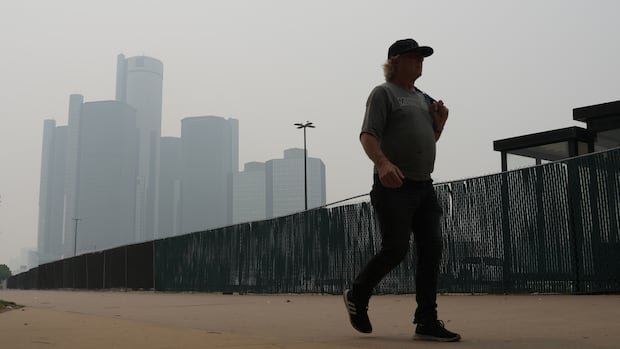
Officials in affected states have reported days of hazy skies, with air quality advisories in effect in parts of the Midwest and Northeast. Local authorities have urged residents to limit outdoor activities during peak smoke hours and to use protective measures as needed. The smoke is attributed to wildfires burning across Canada, with authorities noting that weather patterns can carry the plumes far southward.
Environmental advocates and policymakers have framed the situation differently, emphasizing the need for cross-border cooperation on wildfire management, smoke forecasting, and air quality monitoring rather than punitive trade actions. They argue that domestic forest management, climate conditions, and fire response capabilities influence smoke levels more directly than tariffs.
Canada’s government has not publicly responded to Trump’s tariff suggestion in accounts available to date. Canadian officials have previously stressed regional cooperation on wildfire response and air quality information sharing with the United States.
The White House has not released further details on potential tariff measures connected to the smoke issue. Analysts say any tariff policy would face complex negotiations and legal considerations, including trade rules and the potential economic impact on industries in both nations.
As smoke continues to affect multiple U.S. communities, federal and state authorities said they would monitor air quality and provide guidance to residents. The situation underscores ongoing cross-border environmental challenges and the political debate over how to address transnational air pollution.