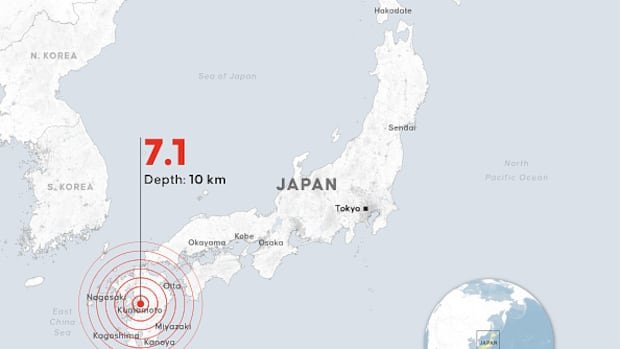
Authorities urged residents in coastal areas to move to higher ground and to monitor official updates as the situation developed. Local utility operators reported substantial outages, with restoration efforts expected to take time given the scale of damage to the electrical network.
Japan’s meteorological and disaster management agencies issued tsunami warnings and cautions for potential aftershocks following the initial tremor. Emergency services deployed to affected towns to assess structural damage, assist injured residents, and provide temporary shelter where needed.
Initial reports did not specify casualties, but authorities emphasized the possibility of injuries and damage due to the intensity of the quake. The exact epicenter and depth were still under evaluation by seismological agencies as teams surveyed affected infrastructure, including roads, hospitals, and communication networks.
Rail operators in the region halted services as a precautionary measure, with steps taken to inspect lines for safety and damage. Transport officials directed commuters to expect delays and to check service advisories as crews work to determine when lines can be safely resumed.
Japan experiences frequent strong earthquakes due to its location along multiple seismic fault lines. Officials stressed the importance of preparedness, reminding residents to have emergency kits, secure heavy items, and follow official guidance during such events.
As authorities continue to assess the full scope of impact, residents in Kumamoto and surrounding prefectures were urged to stay away from damaged structures and to heed official updates for information on shelter locations, power restoration timelines, and potential aftershocks.