Officials say increasing value-added processing could keep more production activity within the country, capturing downstream benefits such as higher wages, more stable local supply chains, and greater economic resilience. The plan envisions streamlined permitting, targeted incentives, and investment in processing facilities across regions to process fruits, vegetables, and other agricultural products closer to farm sites.
Advocates argue that Canada’s vast agricultural base offers substantial potential for processed foods, from canned vegetables and frozen produce to prepared meals and specialty products. They note that processing can help diversify exports, reduce reliance on raw commodity shipments, and provide consumers with Canadian-made options year-round.
Researchers and industry groups caution that success depends on several conditions, including energy costs, supply chain infrastructure, labor availability, and access to stable, global markets. They emphasize the need for consistent policy support that aligns with environmental goals, given the sector’s energy and water use in many facilities.
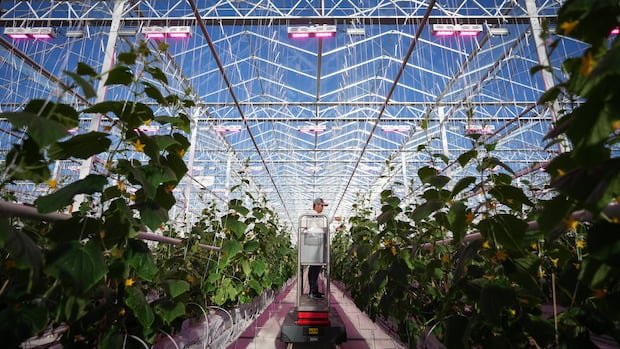
The discussions are taking place as production shifts occur in various provinces, with evidence of innovation in greenhouse operations, meat processing, and value-added crops. Some producers are exploring partnerships with utilities and technology companies to improve efficiency and sustainability, such as renewable energy use and automation.
Observers say a national strategy would require collaboration among federal, provincial, and municipal governments, as well as Indigenous communities, farmers, processors, and researchers. If implemented, the plan could influence investment decisions, regional development, and Canada’s position in global agri-food markets.
Citing potential economic gains, supporters stress that expanding domestic processing aligns with both growth and resilience objectives, while ensuring that more Canadian crops are transformed for domestic consumption and export-ready products. No final policy details were released, but government briefings indicate a multi-year framework to advance the sector.