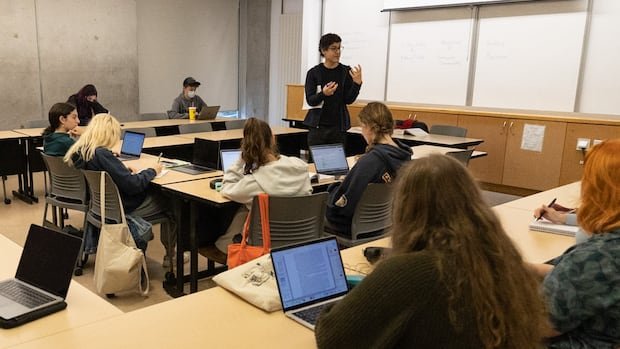
Educators and researchers say the challenge is not simply to teach students to think, but to spell out the steps involved in reasoning. This includes guiding learners to question the reliability of information, compare competing claims, and justify their conclusions with evidence. Advocates contend that making these processes explicit helps students transfer critical-thinking habits beyond the classroom and adapt to a world where AI can generate persuasive but flawed content.
The conversation touches on curriculum design, assessment, and teacher preparation. Some voices in education policy emphasize structured activities that model reasoning processes, such as analyzing arguments, evaluating digital sources, and practicing evidence-based writing. Others call for professional development that equips teachers to recognize how AI tools influence student learning and to respond with deliberate, scaffolded instruction.
Observers caution that the approach should be developmentally appropriate and culturally responsive. They note that critical thinking is not a single skill but a set of practices that evolve with age, experience, and subject matter. There is also debate over how to balance explicit instruction with opportunities for students to explore, investigate, and construct knowledge independently.
While the specifics vary by district and institution, the underlying aim is consistent: ensure students can navigate information landscapes shaped by AI, discern quality content, and articulate reasoned judgments. Education leaders stress that the curriculum should describe why critical thinking matters, not only how to perform it, and should provide transparent criteria so students understand what constitutes strong reasoning at each stage of their education. As schools adapt, the emphasis remains on equipping learners with durable, transferable reasoning skills for an AI-infused era.