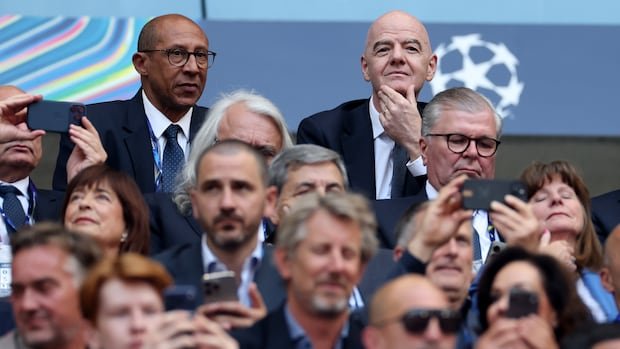
The dispute centers on Infantino’s plan to monetize World Cup profits by offering a stake to private financiers, a concept that ultimately did not advance. UEFA did not detail specific accusations but indicated it would consider all appropriate legal remedies to protect its interests and the integrity of the sport’s governance process.
In a statement, UEFA emphasized the importance of transparency and accountability within FIFA’s operations, suggesting that critical documents and communications connected to the plan should be safeguarded rather than destroyed. The organization reiterated its commitment to upholding responsible governance standards amid ongoing tensions between continental bodies and FIFA leadership.
The episode adds to a broader context of scrutiny over FIFA’s strategic decisions and governance practices under Infantino, who has led the organization since 2016 and has pursued various reforms and revenue-generation initiatives. Critics have previously raised concerns about conflicts of interest and the distribution of funds within world soccer’s governing framework.
FIFA has not publicly disclosed detailed information about the failed plan or any legal vulnerabilities in its governance processes. The situation, however, has intensified discussions among European associations about the need for robust oversight mechanisms to prevent actions that could undermine the sport’s financial stability or competitive balance.
Experts note that any legal action would hinge on contractual, fiduciary, and regulatory considerations, including whether governance procedures were followed and whether any party suffered damages or reputational harm. As investigations potentially unfold, UEFA’s stance signals a willingness to pursue formal remedies to protect the sport’s governance and economic structures.