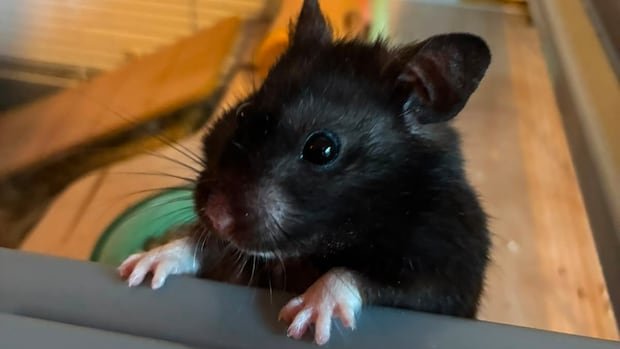
Mollie’s owner rigged a tracking system to capture the small animal’s movements as it exercises, allowing Strava to log distances and routes in near real time. The setup has elevated Mollie from a household pet to a figure of interest within the running community, with coverage in Runner’s World highlighting the hamsters’ popularity on the platform.
The unusual project began as a playful experiment and has since gained traction online, as fans compare Mollie’s stats with those of human runners. While the practice raises questions about the ethics and practicality of fitness-tracking animals, supporters point to the novelty and the potential for highlighting Strava’s data-sharing capabilities.
Experts note that, while the data is generated from a controlled and designed tracking arrangement, Mollie’s activity mirrors the broader trend of using technology to quantify movement. The story underscores how a small creature can become a cultural touchstone when paired with a popular app and a creative setup.
The owner, described as a Dutch physicist, has not publicly disclosed the exact mechanism behind the tracking system, but the arrangement appears to be designed to minimize stress for the animal while enabling continuous data collection. Mollie’s online presence includes a growing following and media attention, illustrating how pet novelty can intersect with fitness technology in contemporary digital culture.
For listeners, the broader takeaway is a demonstration of Strava’s reach beyond human athletes and the way single, quirky projects can captivate audiences across traditional sports media and online communities.