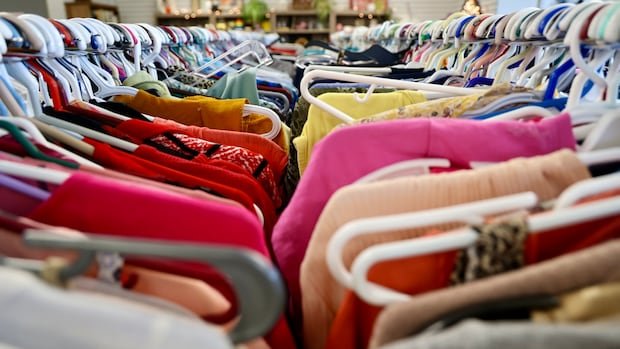
Industry observers note that thrift shops across various regions are receiving more clothing than ever before. While the immediate effect is a crowded backroom and bulk intake, the longer-term consequence is an increase in discarded textiles. The shifts in the international market for used textiles mean some items cannot be sold or recycled domestically, leading to higher disposal rates.
Experts emphasize that a significant portion of the rejected goods are unsuitable for resale due to issues such as improper sorting, fabric damage, or contamination. Additionally, some donations arrive in quantities or conditions that exceed the capacity of local charity stores to process efficiently, creating a bottleneck that results in more items being sent to waste streams.
Advocates for the sector say that the problem is multifaceted and varies by region. Factors include fluctuating demand for second-hand clothing, costs associated with sorting and shipping, and the availability of affordable, sustainable recycling options. There is no single solution, but several measures are being discussed, including improved public education on what to donate, enhanced sorting practices at donation sites, and investments to expand recycling and upcycling capabilities.
Charities involved in collecting clothing say they remain committed to reuse and reducing textile waste, but advise donors to consider the condition and cleanliness of items before donation. They also encourage donors to research local needs, as some regions have more robust resale channels than others.
As the global market for textiles continues to evolve, the industry will need to adapt to keep more clothing out of landfills and into communities that can use them. Authorities and charity groups say increased cooperation, better sorting, and smarter donation practices will be essential moving forward.