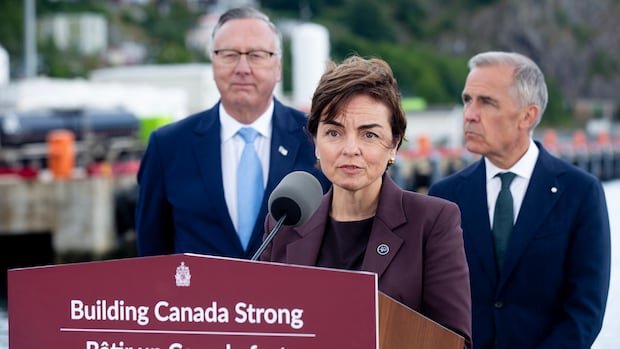
Quebec, Newfoundland and Labrador, along with the federal government, hailed a new Churchill Falls agreement as a three-way win, with potential ripple effects for Quebec’s political landscape as the provincial election looms. The deal, announced in St. John’s, Newfoundland and Labrador, ties changes to the Churchill Falls generating station to a broader push for new hydro, wind, and transmission projects, according to the joint announcement.
The leaders of the three jurisdictions framed the agreement as beneficial for all sides, marking a landmark in energy coordination. In attendance at the event were provincial and federal figures signaling a united front on the project’s outlines. The announcement described the deal as a “win-win-win,” emphasizing collaboration across levels of government.
Analysts and observers note that the implications for Quebec could be significant, given the province’s role in energy markets and the potential influence on voters ahead of the provincial election. The specifics of how the Churchill Falls agreement will affect Quebec’s energy policy, grid planning, or rate structures were not detailed in the initial briefing, but the language used by officials points to a broad impact on energy projects linked to the Churchill Falls agreement.
The joint statement underscored the introduction of new hydro, wind, and transmission initiatives as part of the broader plan. While the immediate political reverberations in Quebec remain to be measured, party leaders may weigh the deal’s anticipated economic and energy-security benefits when addressing constituents on the campaign trail.
As details continue to emerge, Quebec residents and industry watchers will be watching how the agreement translates into concrete changes for energy supply, pricing, and infrastructure growth within the province, especially as provincial leaders position themselves in relation to national energy strategies announced alongside the deal.