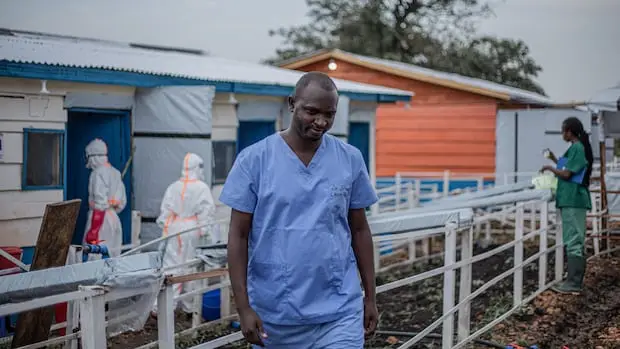
The tally comes as health officials race to contain transmission amid ongoing clinical care and response efforts at treatment centers across affected regions. The Ministry of Health noted that the surge in confirmed cases reflects enhanced testing and reporting, rather than an abrupt jump in new infections, and emphasized the importance of rapid isolation and treatment to curb further spread.
Public health teams are operating under challenging conditions, including strain on resources and the logistical difficulties of reaching remote communities. Locals have reported visits from vaccination and contact-tracing teams as part of the deployment to identify contacts of known cases and administer preventive measures where possible.
At least 754 people have died linked to the outbreak since it was declared in mid-May. Officials have stated that every registered case triggers a cascade of public health actions, including case investigation, risk communication, and infection prevention in health facilities to protect frontline workers.
The outbreak’s location spans several provinces in the eastern part of the country, where health infrastructure has historically faced pressure from various health emergencies. International observers and aid organizations continue to monitor the situation, with calls for sustained funding and support to bolster surveillance, laboratory capacity, and patient care.
Authorities urged residents to seek medical attention promptly if they exhibit symptoms consistent with Ebola, such as fever, vomiting, or bleeding, and to cooperate with contact tracers and vaccination teams where vaccines are being deployed. No new dates for the outbreak’s official status were provided in the overnight release.