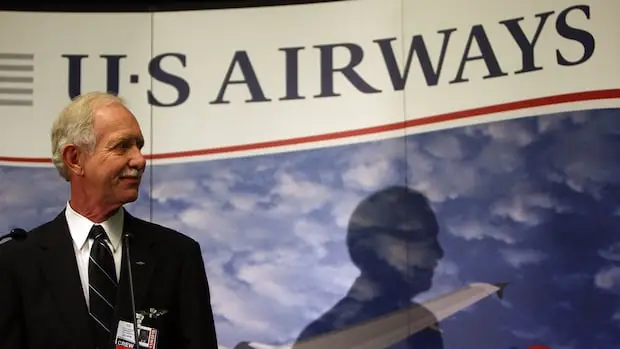
Sullenberger, 72, gained international recognition in 2009 after he safely landed US Airways Flight 1549 on the Hudson River following a double engine failure, an event that rescued all 155 people aboard. Since then, he has remained a prominent figure in aviation safety discussions, as well as a writer and speaker focused on public health and resilience.
In a message accompanying his announcement, Sullenberger emphasized that he is receiving appropriate medical care and support from family and healthcare professionals. He asked for privacy as he navigates the challenges associated with the diagnosis, while reiterating his commitment to his current activities, including advocacy and public service roles.
Medical experts note that Alzheimer’s disease is a progressive neurodegenerative condition that can affect memory, thinking, and behavior. Early-stage diagnoses often involve initial assessments, including cognitive testing and medical history reviews, with management typically focusing on treatment plans, lifestyle adjustments, and ongoing monitoring rather than curative options.
The disclosure comes amid ongoing public interest in the health of high-profile individuals and the broader discussion around aging, worker safety, and cognitive health. Sullenberger’s family and representatives did not outline a detailed prognosis or treatment plan in the statements released, but they indicated an intent to share updates as appropriate.
No other individuals or organizations were named in connection with the diagnosis. Authorities and colleagues within aviation and public safety communities were urged to respect Sullenberger’s privacy while recognizing his long-standing contributions to aviation safety and public conversation about health and resilience.