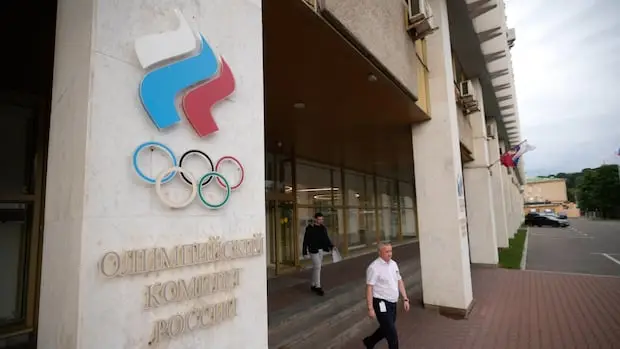
Officials argued that allowing athletes from Russia and Belarus to compete under neutral status undermines sanctions and prompts concerns about the level playing field in international sport. The letter specifically targets organizations such as the IOC and World Aquatics, which oversee elite competition and have reinstated athletes from those two countries in recent seasons.
The nations behind the appeal did not announce a specific funding amount but indicated that financial support to the implicated bodies should be reassessed until there is a revision of their policies toward Russian and Belarusian participation. The move signals growing unease within parts of the EU about the effectiveness and morality of sanctions in the sports arena, as well as the potential impact on the bloc’s own funding priorities.
Estonia, which holds the rotating EU presidency, confirmed the communication and emphasized the importance of aligning EU financial support with broader geopolitical and security considerations. The ministry noted that the EU has previously conditioned funding on adherence to certain standards and sanctions regimes, and EU ministers are expected to discuss the issue at upcoming budget and sports-focused meetings.
Response from the IOC and World Aquatics was not immediately available. Prior to this, the IOC and World Aquatics have argued that their decisions aim to protect athletes from discrimination while preserving avenues for competition amid geopolitical tension. Critics contend that returning Russian and Belarusian athletes could complicate the enforcement of international sanctions and alter competitive balance.
The matter adds to ongoing debate within Europe about how to leverage financial channels to influence sports governance and sanction enforcement, with EU officials signaling a willingness to use funding as a pressure point in pursuit of policy alignment on Russia and Belarus. Further developments are expected as discussions advance among EU member states.