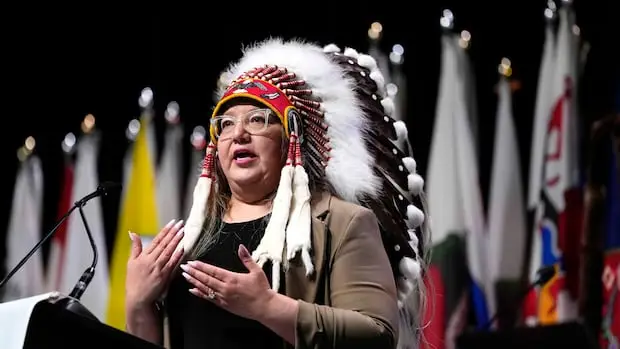
In a Wednesday meeting, AFN chiefs voted unanimously to oppose the Carney government’s plan to streamline the review and approval process for large-scale projects. While officials stressed the need for a faster pathway to development, they cautioned that any reform that weakens environmental protections or sidesteps Indigenous rights would be unacceptable.
The resolutions reflect ongoing tensions between Indigenous communities and Ottawa over resource development, consultation, and governance. AFN leaders emphasized that Indigenous nations must be meaningfully involved in decisions that affect their lands and waters, and that protections for the environment and for treaty and inherent rights cannot be compromised in the name of efficiency.
Specifically, the chiefs underscored that reforms should not erode rigorous environmental assessments, fail to adequately address cumulative impacts, or diminish the duty to consult and accommodate Indigenous communities. They also called for clear processes to ensure Indigenous consent and for ongoing partnership in project oversight, monitoring, and benefit-sharing.
The federal government has argued that streamlined processes would reduce project timelines and increase investment certainty. Critics of the reforms, including the AFN, contend that expedited timelines often come at the expense of thorough environmental review and informed consent from Indigenous peoples.
The AFN resolution signals continued coordination among First Nations on federal policy changes tied to major resource developments. It also sets the stage for possible political and legal actions if Ottawa proceeds with reforms deemed incompatible with Indigenous rights or environmental safeguards.
No timetable was provided for further negotiations or potential legal avenues, but AFN officials indicated that Indigenous leaders intend to press for protections that align with the rights and title of First Nations across the country.