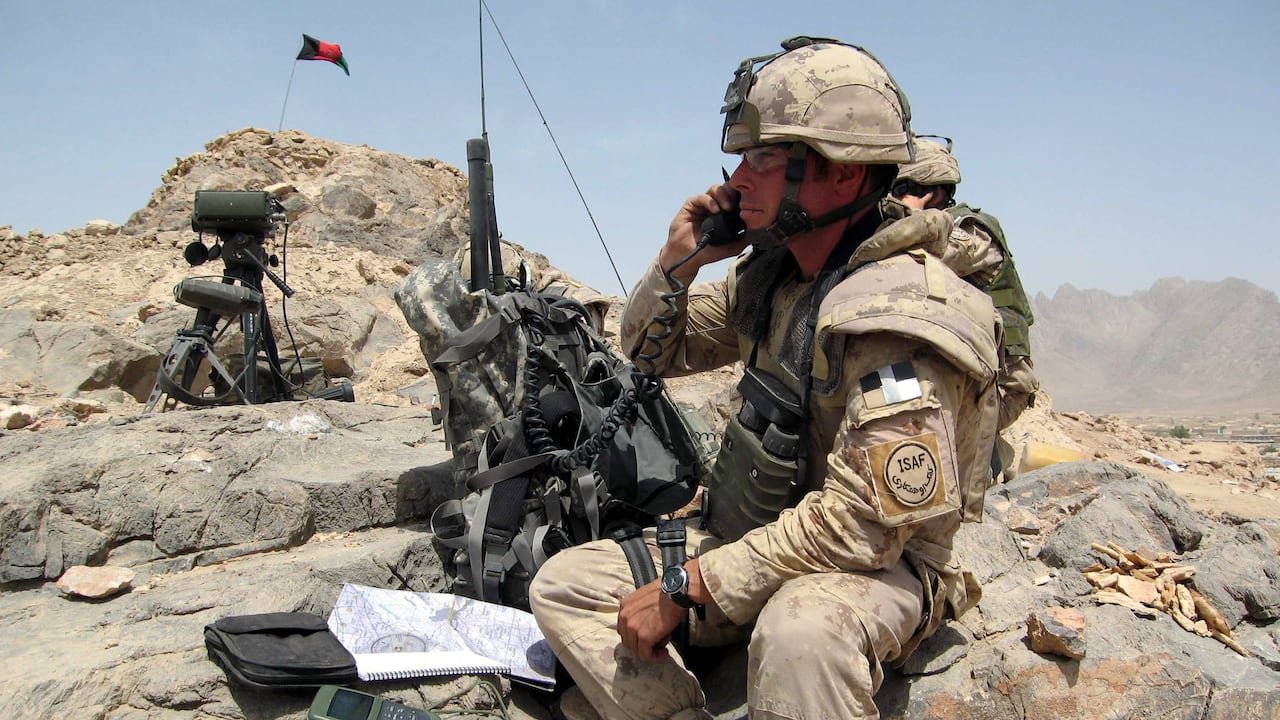
A 20-year reflection on Operation Medusa recalls a watershed moment west of Kandahar where Canadian troops faced a Taliban stronghold, marking Canada’s largest battle since Korea and a brutal test of endurance for the armed forces. The confrontation began in the Panjwaii district and unfolded at a time when thousands of NATO troops were arriving in southern Afghanistan, intensifying the fight.
The engagement, described as a defining and costly clash, demonstrated the Taliban’s disciplined, entrenched resistance and exposed the high cost of urban and desert combat. Canadian forces prevailed in the sense of achieving strategic objectives, but the conflict exacted heavy losses and left a lasting imprint on veterans and national memory. The relief and tactical outcomes of the operation altered the course of the broader Afghan war, shaping subsequent military strategies and veteran narratives.
As analysts and former soldiers look back,Medusa is presented not only as a battlefield victory but as a turning point in how Canada approached engagement with a determined insurgency in a shifting theater. The events are recalled as part of a longer arc in the Afghan campaign, highlighting the complexities of counterinsurgency, coalition dynamics, and the human costs endured by service members.
The anniversary underscores the enduring impact on those who served, the communities connected to their service, and the national conversation about Canada’s role in Afghanistan. While the immediate military context has moved on, the memory of the battle endures as a reference point in Canada’s military history and in discussions about the war’s legacy.