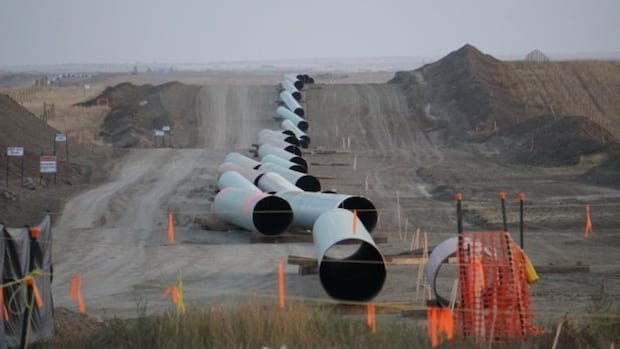
The report notes that a significant portion of Alberta’s crude could be channeled through pipelines that traverse other provinces before reaching U.S. markets. This would involve interprovincial piping networks and facilities, rather than purely province-local routes. The implications touch on how Alberta’s oil is managed, who bears downstream processing costs, and how export capacity is allocated across Canada.
Industry observers say the arrangement would depend on prevailing market demands, pipeline capacity, and regulatory approvals across provincial jurisdictions. The analysis underlines that even if Alberta seeks an independent export channel, the physical movement of oil would rely on a complex, multi-provincial pipeline system rather than a single-Province corridor.
Officials and energy experts emphasize that cross-border and interprovincial logistics are common in North American oil transportation, with pipelines funded and operated by a mix of public, private, and consortium arrangements. Canadian energy policy and federal oversight would continue to shape how such routes are prioritized, how much oil is directed toward U.S. refineries, and how domestic energy security considerations are weighed.
The discussion comes amid broader debate about Alberta’s role in energy exports and the potential benefits or drawbacks of alternative routing options. Proponents of interprovincial routing argue it could leverage existing infrastructure and trading relationships, while opponents warn of potential bottlenecks, increased transit times, or higher costs that could affect price differentials for Alberta crude.
No immediate policy changes were announced in connection with the analysis. Stakeholders say any shift in export routing would require coordinated planning among provincial governments, pipeline operators, and federal regulators to ensure reliability of supply, orderly market access, and environmental safeguards.