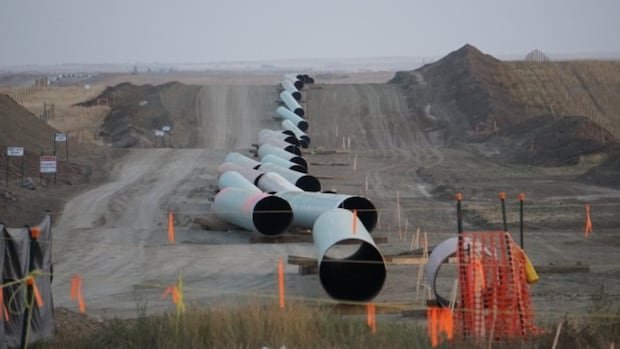
The discussions come as Alberta explores options for exporting its oil to the U.S. market, a path historically reliant on shared infrastructure. Analysts say any arrangement would likely involve coordination with other provinces that physically carry the pipelines from Alberta to ports or border facilities. This means that even with Alberta maintaining a distinct regulatory stance or fiscal framework, the practical logistics of moving oil southward would depend on the broader network of corridors that traverse multiple jurisdictions.
Industry observers caution that trade talks do not guarantee shipment deals. They point to variables such as pipeline capacity, regulatory approvals, environmental considerations, and price-hedging strategies that could influence whether the U.S. market receives a steady flow of Alberta crude. Moreover, any arrangement would need to address the interests and constraints of other provinces whose infrastructure lies along the transit routes, potentially affecting tolls, reliability, and project timelines.
The reporting notes Prime Ministerial and federal discussions around energy infrastructure, including cross-border pipelines, as part of ongoing conversations with the United States. While Canada and Alberta may pursue parallel paths, the practical outcome for shipments depends on how stakeholders across provinces harmonize capacity, policy alignment, and commercial terms.
For Alberta, the central issue remains whether independent policy aims can be realized without compromising access to existing pipeline networks. If shipment arrangements materialize, they would likely reflect a mosaic of interprovincial cooperation rather than a single, province-only pathway for sending crude to U.S. buyers. Officials and analysts alike say continued dialogue among provinces, federal authorities, and industry players will be essential to gauge the viability and timing of any such cross-border export framework.