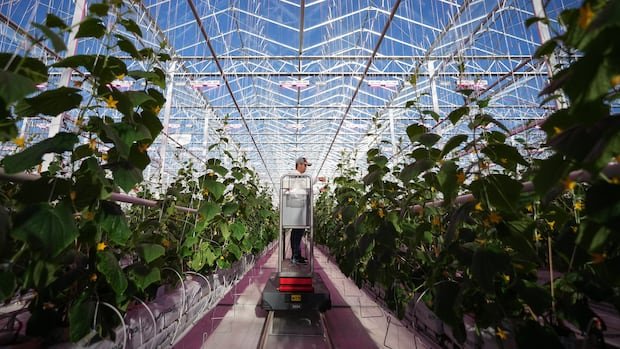
Officials say the investment seeks to support a range of activities, from modernizing plants and improving supply chains to encouraging adoption of energy-efficient technologies and sustainable practices. The initiative also targets rural and regional development, with attention to farmers who supply raw materials to processors and to communities that rely on efficient food systems for resilience.
Ontario farmers and industry innovators interviewed by CBC’s The House emphasized the potential economic upside if the strategy is implemented effectively. They described a landscape where expanded processing capacity could add value to crops and livestock within Canada, create jobs, and keep more processing activity from moving abroad. However, participants also noted challenges, including the need for skilled labor, reliable energy costs, and streamlined regulatory pathways to bring projects to fruition.
The government’s approach appears to integrate collaboration with industry groups, provincial partners, and energy providers to accelerate deployment of tech-enabled and sustainable processing operations. Energy efficiency and reduced environmental footprint are highlighted as core components, aligning with broader climate and economic objectives.
Analysts say the outcome hinges on execution: securing long-term funding commitments, ensuring access to capital for mid-sized processors, and establishing incentive structures that encourage innovation while maintaining affordability for consumers. If successful, proponents argue the strategy could translate into higher processing capacity, more secure food supplies, and a measurable contribution to Canada’s gross domestic product.
No final figures were disclosed in the initial briefing, but officials indicated the plan would roll out in phases, with milestones tied to job creation, production capacity, and regional distribution of investment. As the government moves ahead, observers will be tracking how provincial policies, energy costs, and market demand influence the pace and scale of Canada’s food-processing expansion.