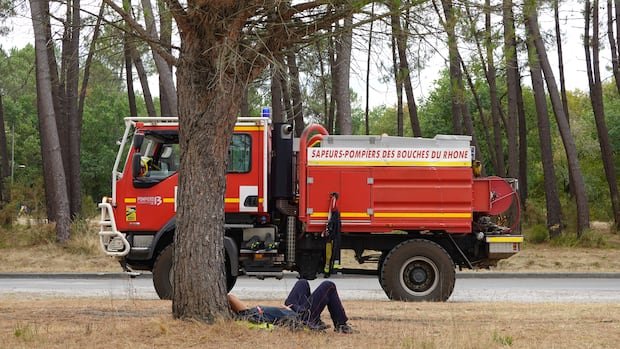
The fires began to intensify in parts of the Gironde, Landes, and Lot-et-Garonne departments, drawing on a large mobilization of professional firefighters, as well as sustained volunteer efforts from local communities. Residents reported volunteers assisting with logistics, shelter, and the distribution of supplies, alongside frontline crews working to create firebreaks and protect homes and critical infrastructure.
Officials indicated that the immediate crisis is giving way to recovery questions. Authorities are assessing the damage to forests and rural economies tied to timber, tourism, and agricultural activity. Local leaders have stressed the need for planning that reduces risk while preserving the cultural and environmental character of the region, which is characterized by dense pine stands and small-town life.
In several towns, residents who were evacuated last week learned that some houses could be reoccupied earlier than others, though access remains restricted in areas most affected by smoke and heat. Firefighting authorities warned that conditions could revert to extreme risk with hot, dry winds and high temperatures, underscoring the importance of ongoing vigilance and preventive measures.
Emergency officials underscored collaboration with regional authorities to secure housing, medical care, and essential services for evacuees returning or preparing to return. They cautioned that recovery will unfold over weeks and may require long-term strategies to mitigate future wildfire threats while balancing the region’s way of life, including outdoor recreation, forestry work, and community events.
Local officials emphasized that learning from this week of crisis involves improving early warning systems, evacuation planning, and community resilience programs. As residents adapt to a new normal, the focus remains on safeguarding homes, livelihoods, and the ecosystems that underpin southwestern France’s distinctive landscape.