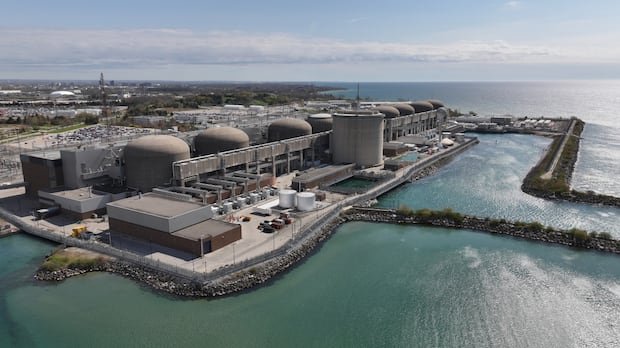
At the heart of the discussion is Canada’s current non-nuclear-weapon status and its civilian nuclear program, which is concentrated largely in Ontario. The province hosts the majority of the country’s reactors, including several aging units, with Ontario Power Generation’s Pickering facility cited in recent visuals and reporting. A private-sector proposal to build a nuclear plant in northern Alberta has sparked local and environmental concerns, particularly from water advocates in the Northwest Territories, highlighting ongoing debate about the water and environmental implications of new reactors.
Experts cited in the coverage argue that Canada’s safeguards and export-control regime have helped maintain a strong defensive posture against weaponization. They emphasize that Canada is a signatory to non-proliferation treaties and maintains strict oversight over dual-use nuclear technologies. However, some observers point out that as global nuclear dynamics evolve and as civilian nuclear knowledge exists in broader contexts, the theoretical pathway from civilian capabilities to weaponization—while highly constrained in Canada—cannot be entirely dismissed in political theory.
The conversation also touches on the broader geopolitical landscape, where several countries have renewed focus on nuclear capabilities or modernization programs. In Canada, policymakers continue to reaffirm commitments to non-proliferation and to the peaceful use of nuclear energy, underscoring that the country’s current framework is designed to prevent any drift toward weaponization.
Officials did not provide new policy shifts but reiterated that Canada’s approach remains rooted in non-proliferation, rigorous controls on sensitive technologies, and transparency in civilian nuclear projects. The ongoing public discourse around a potential Alberta plant and the scrutiny of nuclear safety and environmental impacts suggest that while the formal path toward a bomb appears unlikely, the national conversation about dual-use technology and security will continue to evolve.