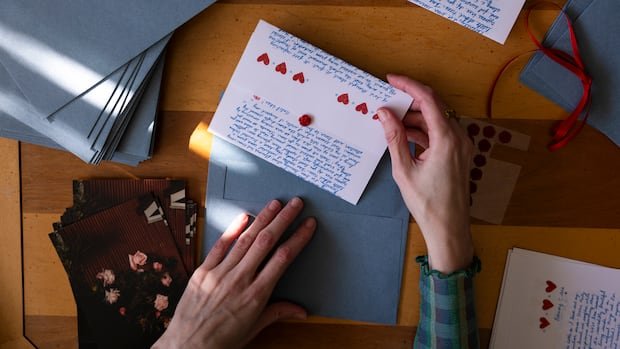
In a cultural shift framed by a longing for tangible connections, a growing number of creative entrepreneurs are launching snail-mail subscription services. These offerings deliver physical letters, cards, and other mailed items to subscribers on a regular basis, appealing to people seeking healthier relationships with technology and more personal forms of communication.
Proponents say the appeal lies in the deliberate, slower pace of mail. Subscriptions typically curate handwritten notes, thoughtfully designed stationery, and curated content that recipients can physically hold, read, and display. The format contrasts with instantaneous digital messages, providing a sense of anticipation and personal touch that many users feel is missing from online exchanges.
Entrepreneurs cite community and nostalgia as key drivers. Projects like Bloom Strolling, started by Toronto-based creator Angela Lewis, emerged from a social media inquiry about the craving for snail mail’s nostalgic appeal. Such ventures emphasize the tactile experience of letters, envelopes, and craft-inspired packaging as part of the product, rather than a mere digital-first accompaniment.
Experts from academia and industry also weigh in, suggesting the trend taps into broader concerns about the impacts of constant connectivity and the wellness benefits of slower, more intentional communication. The subscription model enables regular engagement, turning a private act—writing and receiving letters—into a shared, ongoing experience between sender and recipient.
Subscribers typically choose from various tiers or themes, with some services offering customizable content, weekly prompts, or themed stationery. The model appeals to both individuals seeking a personal touch and communities or groups aiming to maintain connections across distances.
While digital communication remains dominant, snail-mail subscriptions are carving out a niche within the broader landscape of communication tools. As creators refine their offerings, the sector appears poised to sustain interest among those who value physical correspondence as a meaningful, tactile form of connection.