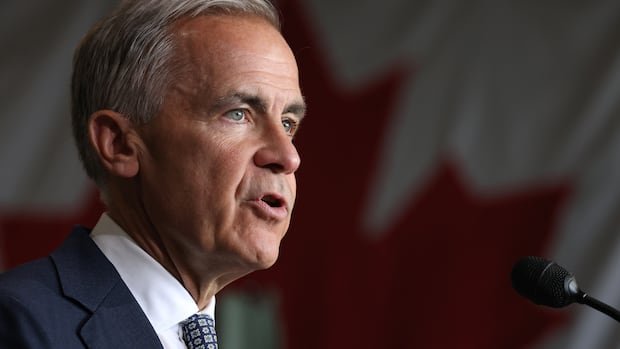
Officials say the initiative focuses on three core pillars: expanding the capacity of CCUS facilities to remove carbon dioxide from industrial processes, advancing technologies that convert captured CO2 into usable products, and building resilient transmission and distribution networks to deliver clean electricity to homes and businesses. The strategy also emphasizes collaboration with provinces, Indigenous communities, and industry partners to ensure projects align with regional energy needs and climate commitments.
At the heart of the proposal is a suite of incentives and funding mechanisms intended to lower the risk for investors and speed up project timelines. These include tax credits, grants for early-stage demonstrations, and loan guarantees designed to de-risk large-scale deployments. Government representatives stress that the plan is designed to complement, not replace, existing emissions-reduction efforts across sectors, aiming to fill gaps where infrastructure and technology development lag.
The timing of the policy is notable as Canada continues to navigate a shifting energy landscape, with growing demand for reliable, low-emission electricity and a commitment to reduce greenhouse gas emissions under national targets. Supporters argue that a robust CCUS and clean-grid strategy could help Canadian industries maintain competitiveness while meeting climate goals, particularly in energy-intensive sectors such as cement, steel, and oil and gas refining.
Critics, however, urge caution, highlighting the need for transparent cost assessments and clear timelines. They emphasize that public funding should be paired with measurable environmental outcomes and real, verifiable emissions reductions. Proponents counter that the current proposal includes performance milestones and independent oversight to keep projects on track.
For Canadians, the policy matters because a successful rollout could influence electricity reliability, electricity prices, and regional job creation. By expanding clean energy infrastructure and advancing carbon management technologies, Canada could reduce emissions while supporting economic growth in both urban and rural communities.
As Canada moves from planning to implementation, stakeholders will be watching how the government coordinates with provinces and industry to turn these plans into tangible projects. The coming months will determine how quickly new CCUS facilities, grid upgrades, and demonstration programs can start delivering tangible climate benefits and energy security for households.
Stay informed with iCanada for ongoing updates on energy policy, climate action, and what it means for Canadians.
#climateaction #ccus #cleanairgrid #cleanenergy #CanadaEnergy #energytransition #infrastructure #greenjobs #iCanada
Full News – https://www.cbc.ca/news/politics/carney-trade-response-trump-9.7277862?cmp=rss