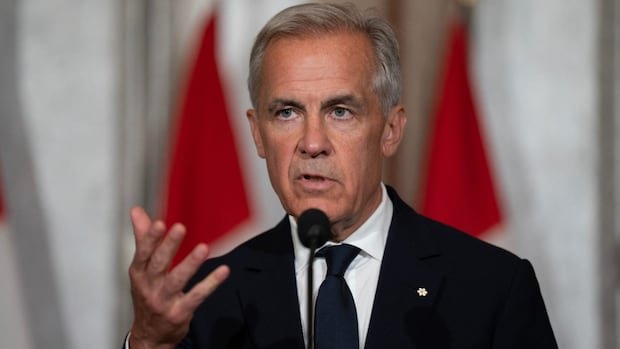
Carney did not reveal specifics of Ottawa’s response but emphasized the government’s intent to defend Canadian industries and workers. He indicated that Canada would engage in consultations with allies and pursue all available channels to challenge the proposed measures, including legal avenues and bilateral discussions.
The announcement from Washington comes as Canada and the United States continue negotiations on trade and related policy issues. Canadian officials have long warned about the potential impact of tariffs on sectors ranging from automotive to agricultural products, and on cross-border supply chains that are integral to both economies.
Analysts noted that a 50 percent tariff could significantly affect Canadian exporters and could provoke reciprocal measures or counter-tariffs by Canada if the United States proceeds without a negotiated settlement. The broad scope of goods identified by the Trump administration indicates an approach that targets multiple industries rather than a narrow list of items.
In Ottawa, economists cautioned that even with existing trade agreements and dispute-resolution mechanisms, the economic repercussions of sustained tariffs could be broad, potentially affecting consumer prices and investment decisions across Canada.
Carney’s remarks come as Canadian lawmakers prepare for ongoing debates on trade policy and as Ottawa seeks to secure assurances for sectors most exposed to any tariff regime. The government has previously signaled a preference for multilayered diplomacy, aiming to resolve disputes without escalating to prolonged trade conflicts.
No date was given for a formal response, but Canadian authorities said they would continue to monitor developments and coordinate with international partners. The situation remains fluid as negotiators on both sides assess next steps in what analysts describe as a high-stakes trade scenario.