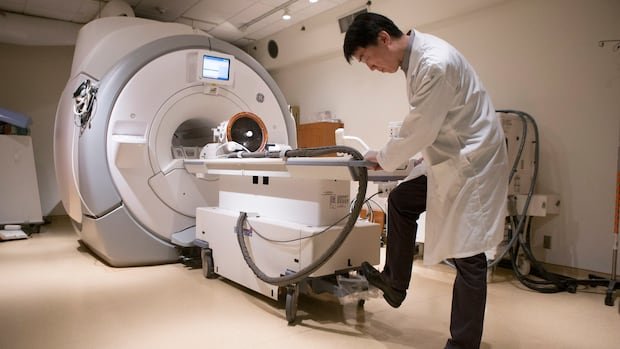
Several clinics across Alberta have adopted a wait-and-see stance as they assess how the new program will operate in practice. The policy allows patients to initiate imaging tests such as MRI or CT scans without first visiting their family doctor, potentially speeding up the process for those who can afford private scheduling. Advocates say the change could reduce bottlenecks caused by primary-care bottlenecks, while critics raise concerns about equitable access and the potential for increased costs to patients.
Medical professionals caution that self-referral may alter traditional care pathways. Some clinics indicate they are monitoring patient demand and the implications for scheduling, staffing, and test utilization. There is interest in how this will affect the standard of care, follow-up procedures, and the coordination between private imaging providers and the public healthcare system.
Health policy experts note that the new approach could shift the dynamics of diagnostic testing, with possible implications for wait times in public hospitals and the burden on primary care to coordinate follow-up care. The province has not, at this time, released a detailed assessment of expected outcomes or data on cost, access, or clinical impact.
Officials have stressed the importance of maintaining patient safety and appropriate use of imaging tests, even as access pathways diversify. They indicate that guidelines and oversight will continue to evolve as more clinics participate and patient experience with self-referral becomes clearer.
As Alberta’s healthcare landscape adjusts to this change, patients are encouraged to consult with their healthcare providers to understand available options, including both public and private pathways for diagnostic imaging.