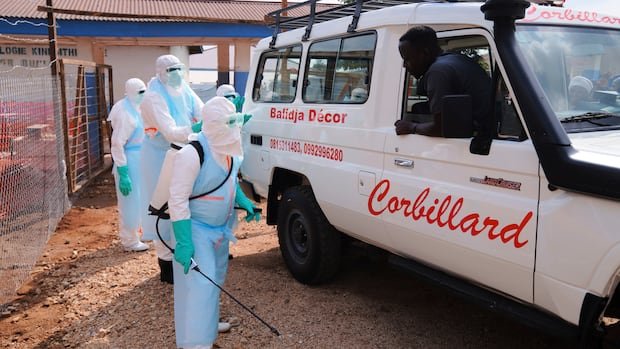
Health authorities and international partners have been coordinating containment measures across the region, including isolation of confirmed cases, contact tracing, vaccination campaigns, and heightened treatment capacity at Ebola treatment centers. Despite these efforts, the data point to a widening gap between new infections and the ability to interrupt transmission.
The affected area is in the eastern portion of the Democratic Republic of Congo, a region that has repeatedly experienced Ebola outbreaks. The latest surge has intensified concerns among public health experts about the potential for further escalation if transmission chains remain active in communities with limited access to care and prevention resources.
Officials emphasized the need for sustained international support to bolster surveillance, regional cooperation, and rapid deployment of vaccines and antiviral treatments where available. They also reiterated the importance of community engagement to improve acceptance of vaccination drives and to curb stigma that can hinder reporting and treatment-seeking behavior.
As the situation evolves, authorities stated they would continue to monitor case counts closely, adjust response strategies, and publish regular updates to reflect the trajectory of the outbreak. The total toll of the outbreak stands at more than 1,500 fatalities, reflecting the severity and persistence of this health emergency.