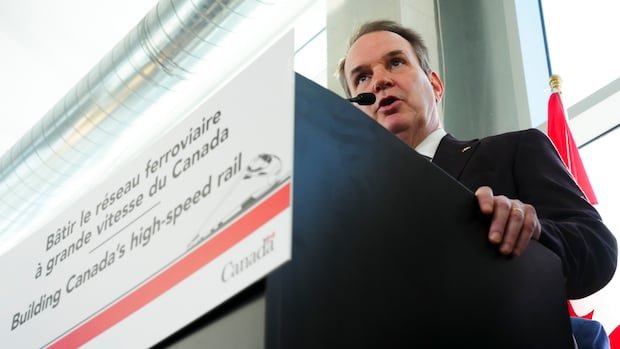
At the heart of the discourse are questions about the project’s funding structure, governance, and project milestones. Proponents say Alto promises faster intercity travel, expanded economic development, and improved regional connectivity. Critics raise concerns about cost, timelines, and the distribution of benefits, urging caution and calls for clearer accountability and oversight.
Recent press activity has underscored the government’s commitment to outlining next steps, including regulatory frameworks and milestones that could shape the timeline for construction and operations. Transport officials have signaled a willingness to advance planning while emphasizing the need for prudent budgeting and risk assessment.
Political dynamics add a layer of complexity. Opposition voices argue that the project requires more rigorous cost-benefit analyses and transparent decision-making processes. Supporters contend that delaying the initiative could jeopardize potential economic and environmental gains and miss a window for modernizing Canada’s rail network.
Observers note that the Alto plan, if stalled, could set a precedent for how future megaprojects are treated in Parliament and among provincial partners. The discourse also reflects broader debates over federal-provincial collaboration, regional disparities in development, and the role of public investment in infrastructure.
As officials prepare to present the “next steps” for Alto, stakeholders are watching closely for updates on funding mechanisms, governance structure, and performance benchmarks. Whether the plan can withstand the current political headwinds remains a central question for policymakers, industry analysts, and the traveling public looking for faster, more reliable rail options.