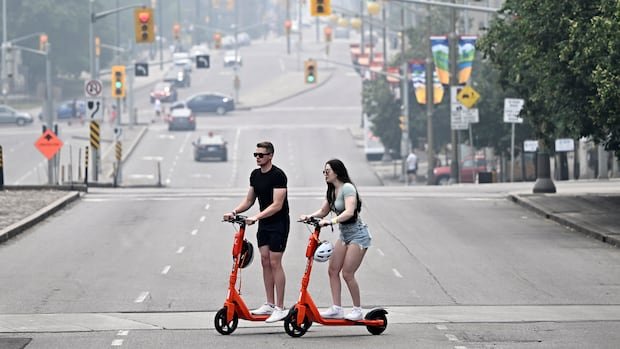
The survey, conducted across multiple pediatric hospitals and clinics, highlights that younger riders are particularly at risk, with injuries spanning head trauma, facial fractures, and significant soft-tissue damage. Several cases involved a lack of protective gear, such as helmets, and incidents occurred both on public streets and in residential settings.
Experts say the trend reflects broader growth in e-scooter popularity and usage, amplified by insufficient age restrictions and inconsistent safety standards. The report emphasizes that existing regulations may not adequately address child-specific vulnerabilities, including balance, impulse control, and the potential for high-velocity falls.
ICU admissions and surgeries linked to e-scooter accidents underscore the severity of these injuries. Some cases required long-term rehabilitation and raised concerns about potential lasting disabilities. Pediatric specialists call for a multifaceted approach to reduce harm, including mandatory helmet use, stricter age limits, improved road safety infrastructure, and targeted public education for families and young riders.
Public health officials and researchers acknowledge the need for more data to inform policy. They advocate for standardized reporting on e-scooter injuries to monitor trends and evaluate the effectiveness of safety interventions.
The findings arrive amid ongoing debates about how e-scooters fit into transportation planning, including street design, speed limits, and enforcement practices. As communities reassess regulations, pediatric experts urge policymakers to prioritize child safety in any updates to rules governing e-scooter operation, storage, and caregiver supervision.