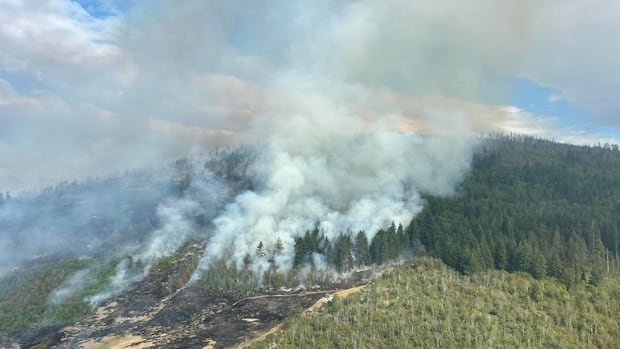
The news, drawn from CBC reporting, notes that large swaths of forest burned by wildfires have generated plumes that drift long distances. Experts say the general pattern of smoke movement this summer is not extraordinary, but the scale and intensity of fires are contributing to worsening air quality over multiple regions.
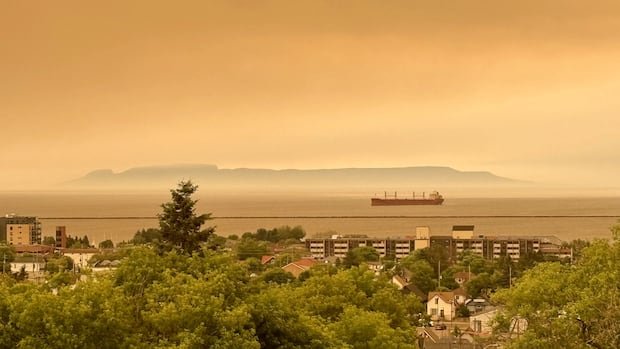
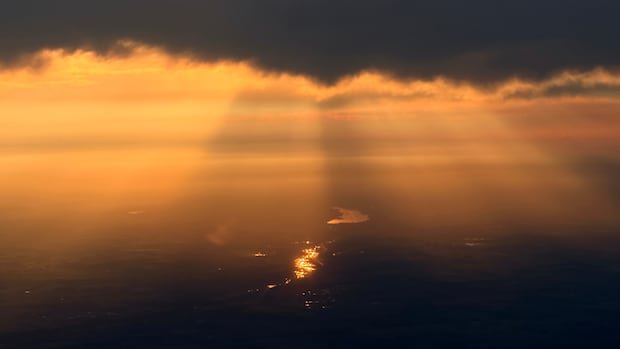
Observers have observed smoke entering into eastern North America despite the distance from the original fire zones. As the particles travel, they can tint skies with orange or gray hues and reduce visibility in affected cities. Public health agencies in some locations have issued air quality warnings to inform residents about potential respiratory impacts, particularly for vulnerable groups.
The discussion surrounding the smoke also intersects with political discourse, as comments and policies on cross-border wildfire management and climate-related fire risks gain attention. Analysts emphasize that while this year’s smoke behavior follows existing meteorological and atmospheric transport patterns, the underlying trend of increasing wildfire activity due to climate conditions suggests that such events may become more common or intense in the future.
Officials recommend standard protective measures during smoky conditions: limiting outdoor exertion when air quality is poor, staying indoors with filtered air when possible, and following local advisories for air quality indices. Individuals with asthma, bronchitis, or other respiratory conditions are advised to monitor symptoms and seek medical guidance as needed.
Canada’s and the United States’ weather and environmental agencies continue to monitor wildfire activity and air quality impacts, particularly as domes of smoke can shift with changing wind patterns. While the current episode highlights intercontinental smoke transport, experts caution that the broader trend of worsening fires remains a pressing concern for both nations.
For readers seeking updates, local health departments and national environmental services typically provide air quality alerts and recommended precautions as conditions evolve.