A Quebec town is actively working to simplify daily life for residents living with dementia by training local merchants, municipal workers, and emergency responders to better understand the condition and adjust services accordingly. The initiative focuses on practical improvements to help people navigate ordinary activities, from ordering at a restaurant to accessing essential services.
The effort centers on education and hands-on preparation for frontline staff, aiming to create a more supportive environment for those affected. It involves equipping local businesses and public officials with the knowledge needed to address common challenges and reduce friction in routine encounters.
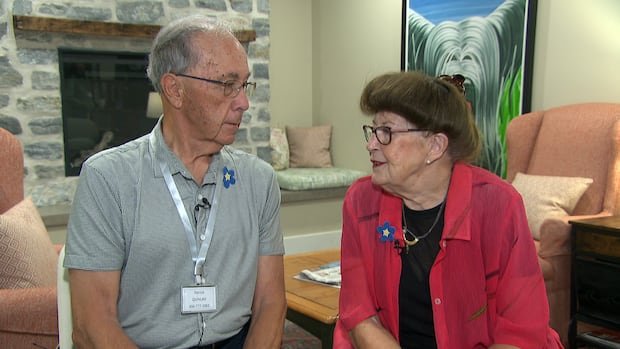
In one personal example, Pauline Quinlan describes how her 84-year-old husband, Patrick Quinlan, who has dementia, would benefit from a community that helps him navigate simple tasks. The project seeks to translate similar needs into concrete accommodations across the town’s everyday operations, with the goal of enhancing independence and safety for residents living with dementia.
Officials emphasize that the training is designed to be practical and accessible, enabling merchants to modify interactions and processes without extensive overhauls. By embedding dementia awareness into the fabric of local services, the town hopes to foster a more inclusive community where people living with the condition can maintain greater participation in daily life.
Administrators are evaluating how best to roll out the program and measure its impact on residents’ quality of life. While specifics on funding, timeline, and participating businesses are not detailed, the story underscores a broader movement toward dementia-friendly communities that prioritize understanding, patience, and adaptive service delivery.
As the town moves forward, organizers say community involvement and ongoing education will be key. The initiative reflects a growing recognition that small, practical changes in everyday settings can make a meaningful difference for people living with dementia and their families.