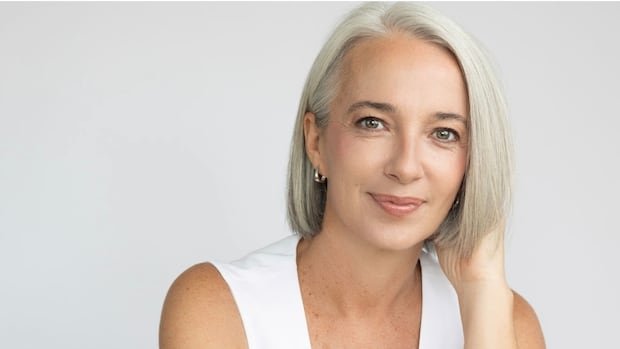
A London, Ont., researcher has launched a study after noticing a surge of anti-aging content flooding social media, and early findings suggest women are increasingly feeling the drive to maintain a youthful appearance. The work centers on how everyday online materials—from ads to tutorials—shape perceptions of aging and influence personal decisions about skin and beauty routines.
The initiative, led by Megan Lindloff, tracks the impact of anti-aging messaging as it appears across platforms. The study comes as anti-aging products and procedures become widely available, prompting questions about how constant exposure affects women’s self-image and choices. Lindloff’s inquiry aims to understand whether the online environment is amplifying pressure to look young at all stages of adulthood.
In profiling voices from the online beauty space, the research highlights a spectrum of responses. Some women embrace products and procedures as tools for confidence, while others resist the emphasis on perpetual youth and advocate for diverse aging narratives. One example cited in the material is a pro-aging influencer based in London, Ontario, who discusses the tension between online expectations and real-life aging experiences.
While the project is in its early stages, the findings already point to a broad cultural shift: the push to look younger is not fading, but the conversation around it is broadening to include resistance and alternative frames for aging. The study seeks to capture how individuals navigate this pressure, what resources they turn to, and how public discourse around aging may be changing in response to growing scrutiny of online beauty culture.
Authorities emphasize that the research is ongoing, with additional data collection and analysis forthcoming. The aim is to map how anti-aging content influences behavior and perceptions, and to illuminate the diverse attitudes women hold toward aging in the digital era.