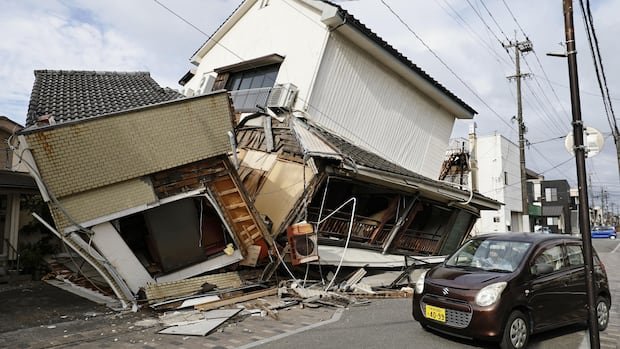
The tremor struck on Wednesday, triggering building collapses and significant damage across affected towns. Soldiers and emergency workers were deployed to key sites, including a damaged shopping mall and several collapsed residences, to conduct systematic searches for survivors.
Authorities reported widespread disruption, with debris blocking roads and utility services affected in several communities. Local residents described shaking that toppled structures and sent objects crashing onto streets and homes. Emergency teams said the priority was locating anyone still trapped beneath debris and providing medical assistance to those in need.
Officials cautioned that the number of missing could rise as rescue operations continued and more areas were assessed. The death toll stood at 13, with authorities emphasizing the ongoing nature of the response and the challenges presented by aftershocks and unstable structures.
Japan’s government and local authorities coordinated a multi-agency effort, including police, fire services, and self-defense forces, to extend searches beyond initial hotspots. Temporary shelters and relief supplies were organized for residents displaced by the quake, and engineers evaluated the safety of damaged buildings before access was allowed.
Residents in affected communities remained vigilant as emergency workers worked under difficult conditions, including aftershocks that kept rescuers on alert. Officials urged people in nearby regions to stay away from damaged sites, follow evacuation guidance, and report any new hazards.
The earthquake’s exact magnitude was not specified in the latest updates, but authorities described the event as powerful and significant enough to cause structural failures in multiple locations. Rescue operations were expected to continue through the night and into the following day, with teams prioritizing areas where people were believed to be trapped. No further casualties were immediately reported as the response effort proceeded.