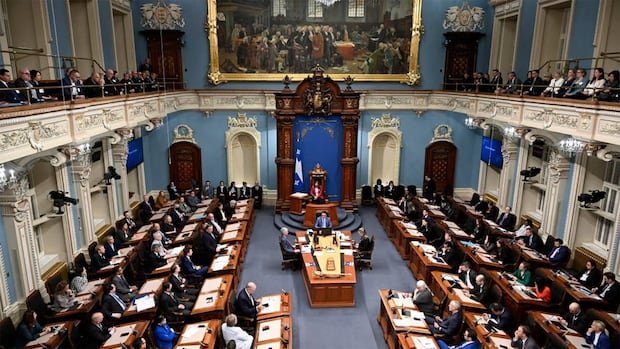
The law in question removed the mandatory oath, a change that redefines the ceremonial and constitutional obligations for Quebec’s elected representatives. The plaintiff contends that the province does not possess the authority to alter this aspect of parliamentary procedure, asserting that the move encroaches on powers traditionally reserved for constitutional or common-law duties surrounding the oaths of office.
Quebec previously required elected officials to take an oath of allegiance to the King as part of their swearing-in process. The 2022 legislation, which shifted away from that requirement, has been defended by supporters who say it reflects Quebec’s distinct legal and political framework and aligns with contemporary values and language within the province.
Legal observers say the case could hinge on the division of powers between provincial and federal authorities and the scope of constitutional conventions governing the oaths of office. If the court finds the province exceeded its competencies, it could prompt a reconsideration of how oaths are administered in Quebec or lead to judicial recommendations on the appropriate framework.
Neither the province nor the supporting party immediately commented on the filing. The outcome will depend on the interpretation of constitutional jurisdictions and the precedents related to oaths of allegiance for provincial legislators.
The challenge arrives amid broader discussions about the role of symbolic acts in government and how provinces adapt historic constitutional practices to modern governance. A ruling is expected as the case proceeds through the courts, with potential implications for how Quebec manages the oaths of office for its National Assembly members in the future.