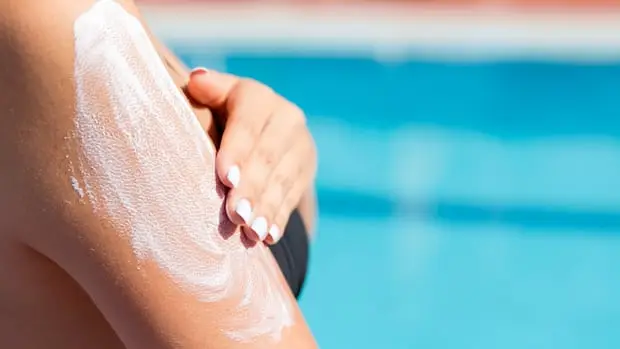
Public health experts say the uptick in skin cancer cases, particularly among adults, underscores the need for consistent use of protective measures when outdoor exposure is common. The Canadian Cancer Society and other health organizations recommend a broad-spectrum sunscreen with an SPF of 30 or higher, along with daily sun-smart habits such as seeking shade during peak UV hours, wearing protective clothing, and reapplying sunscreen every two hours or after swimming or sweating.
Officials note that UV radiation exposure is a key risk factor for skin cancers, including melanoma, and that the risk increases with cumulative sun exposure over a lifetime. They caution that even on cloudy days or during short periods outdoors, damage from UV rays can accumulate.
In Alberta, where sunny summers and outdoor activities are a staple for many residents, the message emphasizes practical steps people can take to reduce their risk. Recommendations include applying sunscreen to all exposed skin, including the ears, neck, and the tops of feet, and reapplying regularly if spending extended time outside. The use of hats with wide brims, sunglasses with UV protection, and seeking shade during mid-day hours are highlighted as effective measures.
Beyond prevention, health professionals are addressing a different challenge: misinformation circulating on social media about sun safety and cancer risk. Experts say misinformation can lead to confusion about best practices, delays in seeking medical attention for suspicious skin changes, or the adoption of ineffective or unsafe alternatives. They urge the public to rely on evidence-based guidance from reputable health organizations and to consult healthcare providers if they notice new or changing skin lesions.
The news comes with a reminder that skin cancer is one of the most common cancers in Canada, and rates have shown an upward trend in recent years. While risk factors such as fair skin, a history of sunburns, a family history of skin cancer, and high lifetime sun exposure are well established, authorities reiterate that protective behaviors can meaningfully reduce risk for most people.
Public health campaigns are focusing on accessibility and education to reach diverse communities within the province. Efforts include disseminating easy-to-understand information about choosing the right sunscreen, how to apply it correctly, and the importance of reapplication. Community health programs may also offer skin checks or information sessions to raise awareness about early detection and treatment options.
Experts emphasize that a proactive approach to sun safety benefits people of all ages, including children and seniors. For parents, this includes setting positive examples with consistent sunscreen use during outdoor activities and modeling protective behaviors in schools, camps, and sports programs.
Officials acknowledge that combating misinformation is part of the broader health education mission. They urge residents to verify claims with trusted sources, such as national cancer societies, provincial health services, and healthcare providers. A collaborative approach between government public health departments, medical associations, and community groups is seen as essential to improving sun-safe behaviors and reducing the burden of skin cancer in Alberta over time.
As the summer season continues, Alberta’s health authorities say the core advice remains straightforward: protect your skin with broad-spectrum sunscreen of SPF 30 or higher, wear protective clothing, seek shade during peak sun hours, and stay informed through reliable sources to avoid misinformation.