A familiar climate disruptor is back, promising a turbulent weather ride, with scientists referring to it as either a “super” El Niño or a “Godzilla” El Niño. The phenomenon, a warming of the Pacific Ocean that alters global weather patterns, is once again active as the world endures rising temperatures.
The rise of this El Niño comes as regions already grappling with heat and wildfire risk brace for potentially amplified impacts. Officials and researchers anticipate changes in weather patterns that could influence heat waves and fire activity, among other extreme events, as the system strengthens.
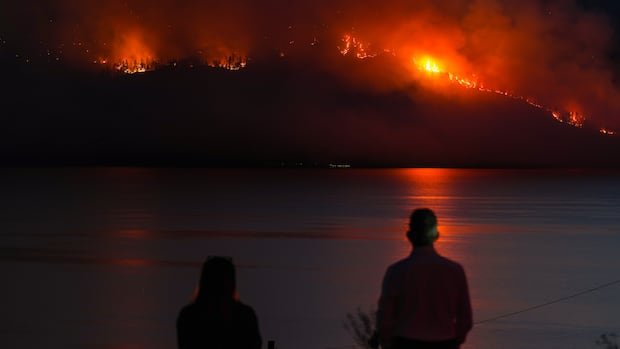
Images from communities near Lake Country, British Columbia, illustrate the immediate stakes: wildfires burn along ridges across Okanagan Lake, lighting up the night and underscoring the real-world consequences of shifting climate dynamics. The visual cue highlights the ongoing risk many areas face as the El Niño cycle intensifies.
Experts emphasize that while this El Niño is linked to heightened global weather variability, the exact local outcomes will vary by region. The broader expectation is a period of increased volatility in temperature, precipitation, and wildfire behavior, driven by the Pacific warming event.
As authorities monitor the situation, communities are urged to stay informed about local forecasts and prepare for potential heat, drought, or fire conditions. The weather pattern’s return signals a new phase in climate dynamics that could redefine seasonal risk in the near term.