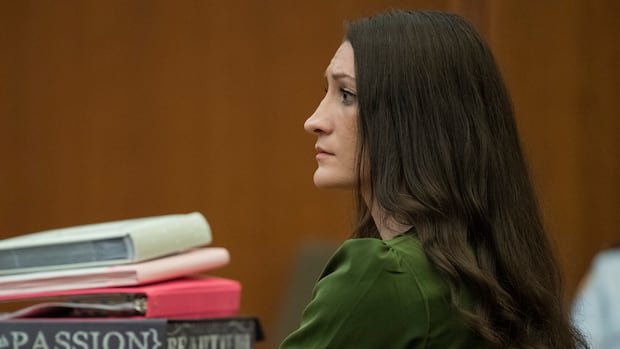
Lindsay Clancy’s murder trial is centering on postpartum psychosis as a potential factor in the 2023 killings of her three children, with her defense asserting she was not criminally responsible due to the condition. The defense acknowledges that Clancy strangled and killed the children while her then-husband was away on an errand, but contends that the mental state linked to postpartum psychosis impaired her ability to understand the wrongfulness of her actions.
Postpartum psychosis is described as a rare and little-understood illness affecting some new mothers, potentially altering reality and perception. The trial’s framing suggests that if the defense can prove the condition impeded judgment at the time of the offenses, it could affect criminal responsibility determinations.
Events surrounding the case have drawn attention to the evolving understanding of postpartum mental health and its legal implications. As proceedings unfold in Plymouth, Massachusetts, prosecutors and the defense are weighing the role of the mental health condition against the standard for criminal accountability.
Details on the medical assessment, the sequence of events leading to the deaths, and the precise considerations the jury will evaluate remain central to the case. The narrative centers on whether postpartum psychosis, if proven, would mitigate or negate criminal liability for the killings.
The courtroom presentation is expected to continue to explore the nuances of postpartum psychosis, including how it might influence perception, reality testing, and impulse control. The outcome will hinge on whether the defense can establish that Clancy’s mental state at the time meets the legal criteria for non-responsibility due to a mental disease or defect, as opposed to ordinary moral culpability.