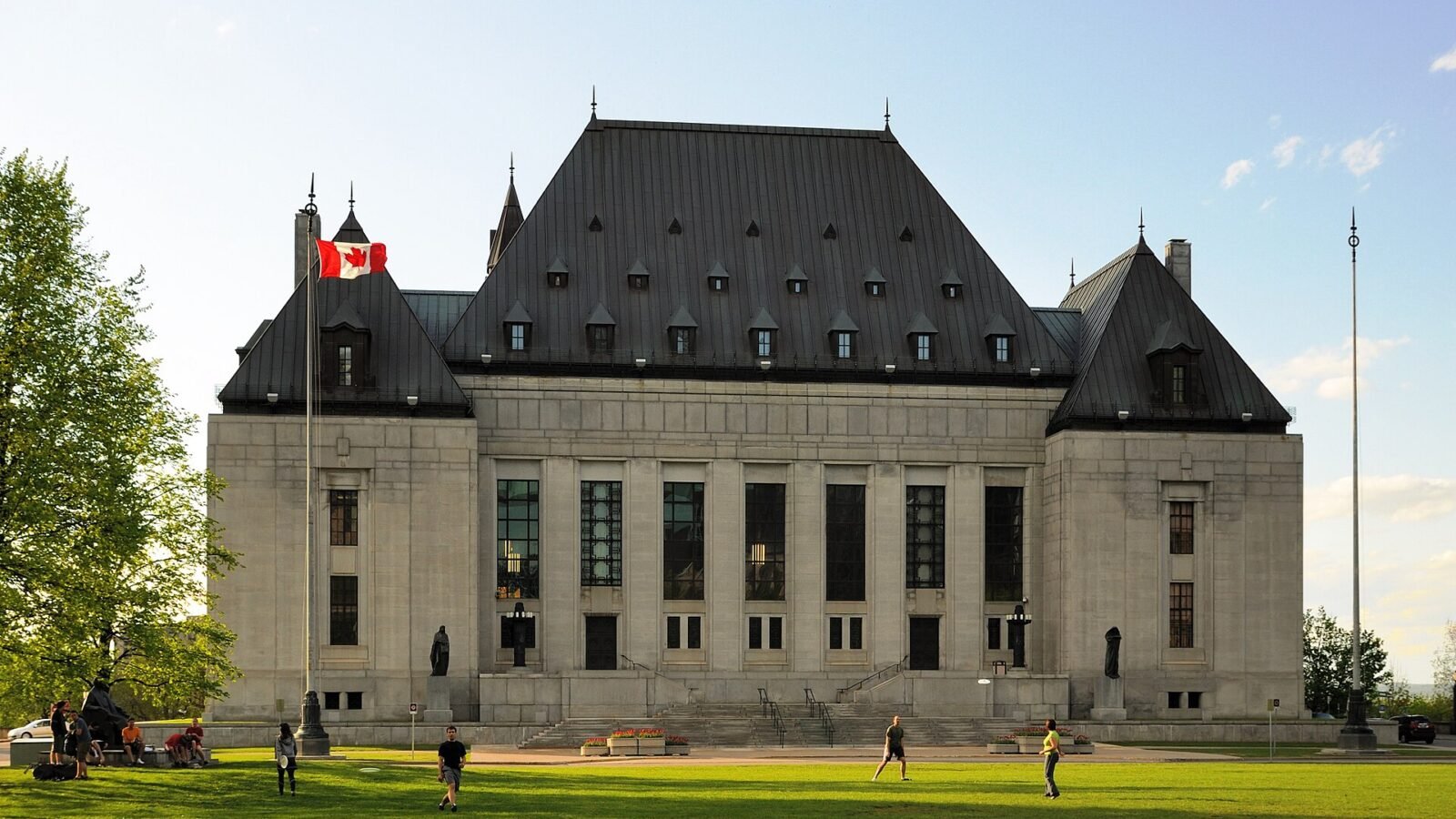
The Supreme Court of Canada has announced it will hear an appeal regarding the federal government’s ban on single-use plastics. This decision marks a pivotal moment in the ongoing debate over environmental policy and plastic waste management in Canada.
The federal ban, introduced as part of the government’s broader strategy to combat plastic pollution, aims to phase out various single-use plastic items, including bags, straws, and cutlery. The initiative has been met with both support and opposition from various stakeholders, including environmental groups, businesses, and provincial governments.
Background on the Ban
The ban was initially implemented in 2021, with the government citing the need to reduce plastic waste that harms marine life and contributes to environmental degradation. The policy has been lauded by environmental advocates who argue that it is a necessary step toward a more sustainable future.
However, the ban has faced legal challenges from industry groups and some provincial governments, who argue that it infringes on their rights and could have negative economic impacts. The appeal to the Supreme Court follows a lower court’s ruling that upheld the ban, prompting the federal government to seek a definitive resolution from the highest court in the land.
Stakeholder Reactions
Environmental organizations have expressed optimism about the Supreme Court’s willingness to hear the case. “This is a crucial opportunity for the court to reaffirm the importance of environmental protection and the need for strong action against plastic pollution,” said a spokesperson for one prominent environmental group.
Conversely, business representatives have voiced concerns about the implications of the ban. “We believe that the ban could have unintended consequences for businesses and consumers alike,” stated a representative from a national business association. “We are hopeful that the Supreme Court will consider the economic ramifications of this policy.”
The Supreme Court’s decision to hear the appeal is expected to have significant implications for environmental policy in Canada and could set a precedent for how similar cases are handled in the future. The court has not yet announced a date for the hearing.