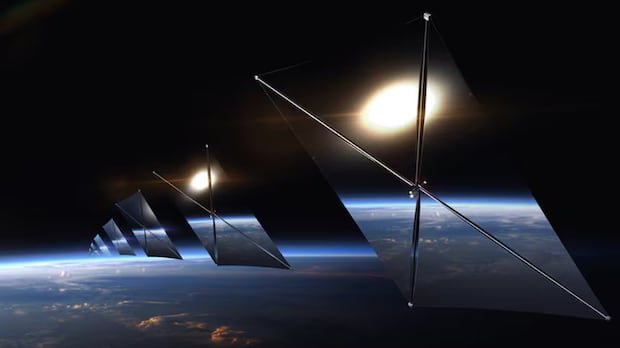
Reflect Orbital, a U.S.-based firm, is proposing a service that would reflect sunlight from orbit to subscribers, potentially extending illumination even after sunset. The concept envisions large, reflective devices positioned in space to redirect light toward Earth at chosen times.
Local and provincial scientists say the idea raises several issues. They point to potential interference with astronomical research, including the accuracy of sky surveys and nocturnal studies, as well as the possibility of light pollution spreading to regions beyond urban centers. Critics also caution about unknown environmental and biological impacts of intensified artificial lighting at night.
Proponents of the concept argue that the technology could have practical applications, such as extending daylight for energy savings, enabling safer nocturnal activities, or supporting disaster response and remote operations. They emphasize the need for careful assessment of risks, regulatory oversight, and international coordination given the cross-border nature of space-based projects.
The article notes that some New Brunswick researchers are joining the broader debate among scientists and policymakers. They stress the importance of transparent planning, robust ecological and astronomical impact studies, and clear guidelines on debris mitigation and satellite decommissioning.
There has been no immediate decision from Canadian authorities regarding approval or rejection of Reflect Orbital’s proposal. Industry observers say any progression would require rigorous review under existing space and environmental regulations, as well as potential consultations with local communities and universities.
As discussions continue, astronomers in the province are advocating for heightened scrutiny of light-pollution implications and demand that any future operations prioritize preserving dark skies for research and public enjoyment. The company’s ambitions, still largely in the conceptual stage, have already sparked a broader conversation about the balance between innovative space-based services and the practical needs of observers on the ground.