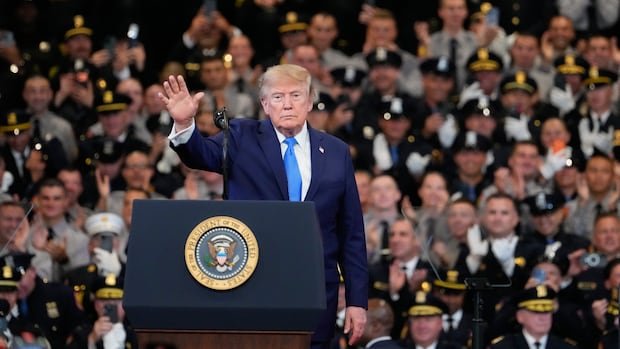
According to the president, the United States should take decisive steps to prevent Iran from obtaining a nuclear weapon, even if such actions translate into short-term economic pain for U.S. drivers. He did not specify policy mechanisms in detail during the speech, but he reiterated a hard-line stance on Tehran and emphasized the potential long-term benefits of preventing an Iranian nuclear capability.
In a separate, controversial claim during the address, Trump indicated that he would soon designate the Strait of Hormuz as U.S. territory. The Strait of Hormuz, a strategic waterway through which a significant share of the world’s oil passes, has historically been a focal point in U.S.-Iran tensions. The suggestion of territorial designation would mark a dramatic shift in the formal status of the waterway, though such a move would require substantial legal and diplomatic processes beyond executive action alone.
Officials and analysts quickly noted that proposals to claim sovereignty over maritime routes would involve complex international law considerations and could have broad ramifications for global trade and regional alliances. The president’s remarks come amid ongoing debate about how to deter Iran’s nuclear ambitions while balancing economic impacts at home, especially on energy prices and domestic industries sensitive to fuel costs.
Environmental and energy experts cautioned that while sanctions and containment strategies have long been part of the U.S. toolkit, linking gasoline prices to strategic deterrence could influence public perception of energy policy. Critics emphasized the need for transparent policies that connect price fluctuations to concrete national security objectives rather than to political rhetoric.
The White House did not immediately provide a detailed state department or legal framework for the claim of Hormuz as U.S. territory, and representatives did not offer immediate clarification on the feasibility or timeline of such a designation. As the discussion continues, analysts say future statements from administration officials will be pivotal in determining whether the rhetoric translates into any formal policy steps.