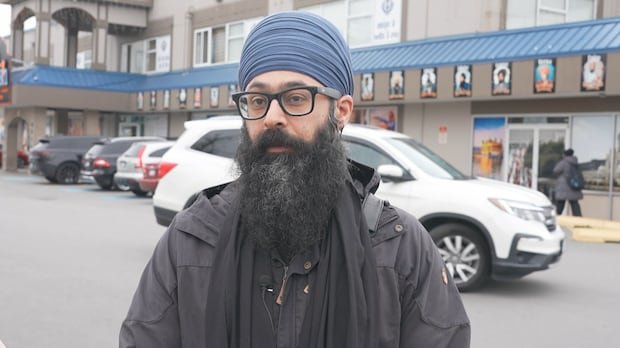
In a letter dated recently, five United Nations special rapporteurs notified the Canadian government that Singh has received four “duty to warn” notices. The communications suggest the activists’ public statements and outreach to international bodies may have made him a target, potentially endangering his safety and the safety of others he engages with.
The UN experts urged Canada to provide an assessment of Singh’s security risks and to outline concrete measures to safeguard him. They also requested a formal response from Ottawa detailing steps taken or planned to protect individuals involved in peaceful advocacy around the Sikh diaspora.
Moninder Singh, associated with Sikh activism and vocal about Khalistan, has been described by supporters as a prominent figure within certain community circles who has drawn attention from both supporters and opponents of the separatist movement. The letters emphasize the importance of protecting activists who engage with international bodies and public forums, underscoring Canada’s obligation to ensure freedom of expression while maintaining safety.
Canada’s response to the UN request has not been disclosed in the available summary. The case comes amid broader conversations about the safety of activists who engage in political and human rights advocacy, both domestically and internationally.
Advocacy groups and observers note that threats against activists can arise from a range of actors and may be connected to online harassment, intimidation, or more direct actions. They call on authorities to balance security measures with the right to peaceful political expression.
Further information, including Canada’s official reply to the UN rapporteurs, has yet to be released. The UN experts’ letter highlights ongoing concerns about the protection of individuals who advocate on contentious political issues and seeks assurances that appropriate protective steps are in place.