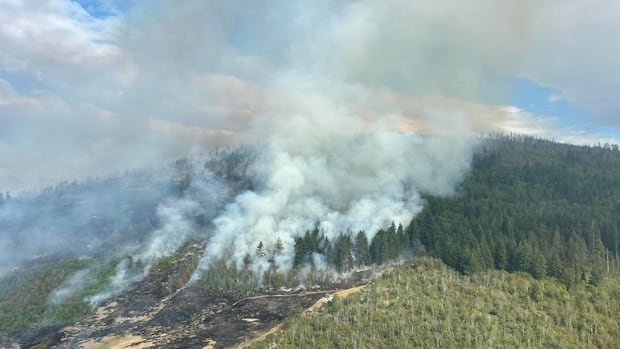
Evacuees have been relocated to a mix of temporary shelters, hotels, and community housing while authorities work to contain the fires and ensure safety. For many, the move involves abrupt changes in routines, school and healthcare access, and the loss of familiar environments. The displacement also coincides with ongoing concerns about smoke exposure and air quality, which have contributed to health issues in several northern communities.
Among those affected are residents from First Nations communities such as Neskantaga and other remote areas, where families have reported health problems linked to wildfire smoke, as well as shortages of essentials like baby formula in some locations. Community leaders and health workers say the combination of physical health risks and the stress of displacement can exacerbate anxiety, sleep disturbances, and other mental-health concerns.
Experts emphasize that the situation is fluid, with evacuees continuing to face uncertainties about when they can return home, what their communities will look like upon return, and how long they will be away from local support networks. Local Indigenous organizations are coordinating with provincial and federal agencies to provide culturally appropriate services, including counseling, translation/interpretation where needed, and access to traditional practices that some communities rely on for resilience.
Emergency officials urge evacuees to seek available resources, including mental-health supports and medical care, and to report any changes in health status. As firefighters work to bring the fires under control and conditions evolve, the province continues to monitor the broader impact on northern communities and to plan for long-term recovery once it is safe to return home.