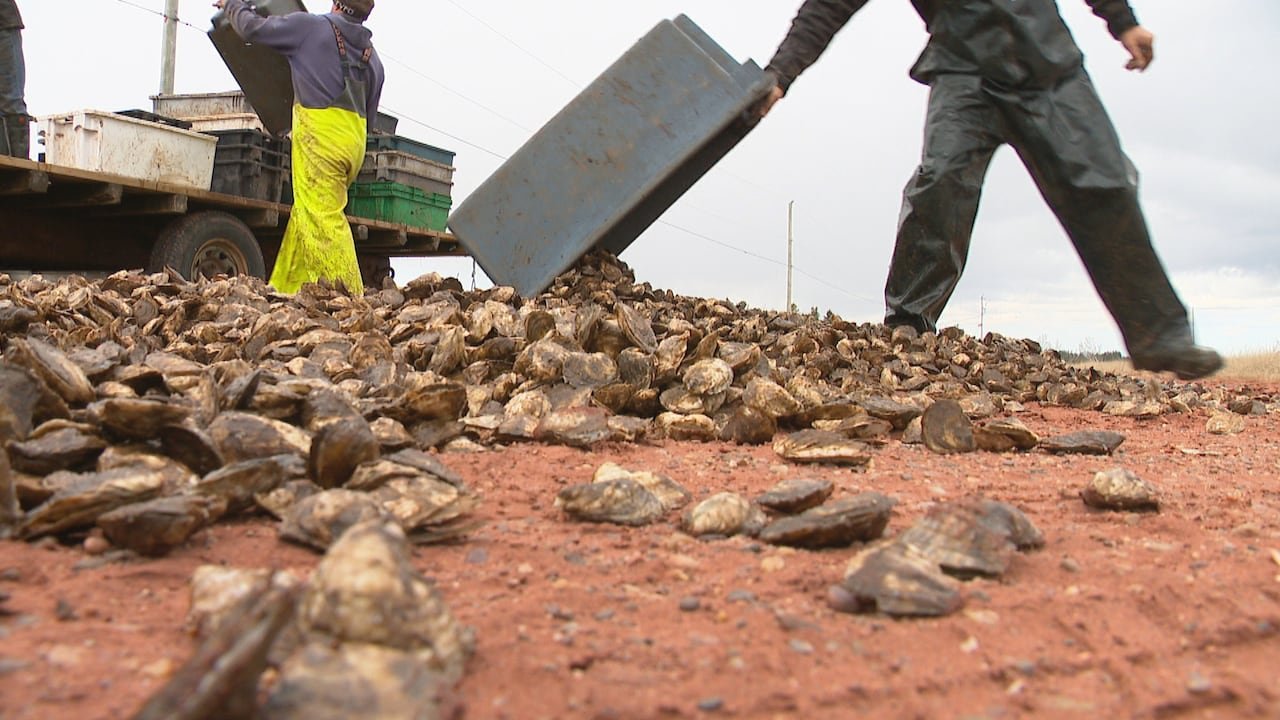
Dramatic losses have washed over Prince Edward Island’s oyster farms this spring, with industry growers reporting widespread die-offs and near-total mortality in some cases. The infections come from two parasitic diseases, MSX and dermo, that have devastated crops and upended the livelihoods of independent farmers who fear being priced out by larger interests.
Farmers describe a brutal, policy-agnostic decline: millions of oysters perishing and entire crops wiped out, a toll that has deepened financial strain as the sector grapples with mounting debt. The report highlights that the severity and reach of the outbreak threaten not only the current season but the broader viability of small, privately run operations across the island.
Locally owned oyster farms, many operating independently, are spotlighting the risk that economic pressure from bigger corporations could accelerate as losses accumulate. The situation underscores a fragile market dynamic in which survival hinges on timely support and effective management of the disease pressures affecting the oysters.
The images accompanying the coverage show oyster growers inspecting and discarding dead stock, underscoring the human and economic stakes of the outbreak. The reporting centers on the immediate crisis: widespread mortality in oyster beds, the financial strain on farmers, and the fear of consolidation under more resource-rich buyers if the crisis persists.
Authorities and industry observers note the double blow of disease and debt, with farmers calling for additional assistance to weather the outbreak and prevent a potential cascade of farm closures. The situation remains fluid as researchers and practitioners continue to study MSX and dermo, seeking solutions to protect the industry’s future on PEI.