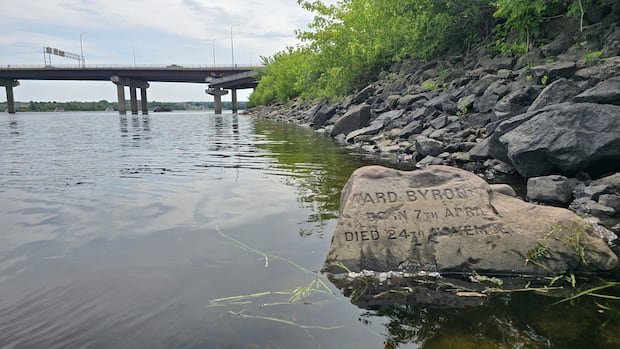
Lavigne, who has extensive experience paddling the St. John River, reported that the grave markers appeared weathered and had likely been in the water for some time. The items were described as belonging to two men who had lived in Fredericton, adding a local historical dimension to the find. The scene raised questions about how the markers ended up submerged and the potential stories behind the graves.
Officials were alerted to the discovery, and local authorities began an assessment to determine whether the markers are part of a formal grave site or an isolated remnant from past burial practices. The investigation aims to ascertain ownership and any historical context, as well as to establish whether there are any safety concerns or environmental risks associated with the submerged markers.
The St. John River, a prominent watercourse that runs through Fredericton, is a common route for recreational activities. While the river has seen occasional debris and historical artifacts surface over the years, the emergence of grave markers in this location is unusual and has prompted a careful approach from responders.
Authorities emphasized that no immediate hazards were reported in relation to the markers, and there was no information indicating active human remains were present. The investigation will include assessing whether the markers belong to a known, recorded cemetery or if they represent an unmarked or forgotten burial site.
Lavigne expressed a sense of reverence for the discovery, noting the solemn reminder that waterways sometimes veil histories and memories of the people who lived along their banks. As the investigation continues, officials are coordinating with local historians to piece together the possible past of the markers and to determine the appropriate steps for preservation and documentation.