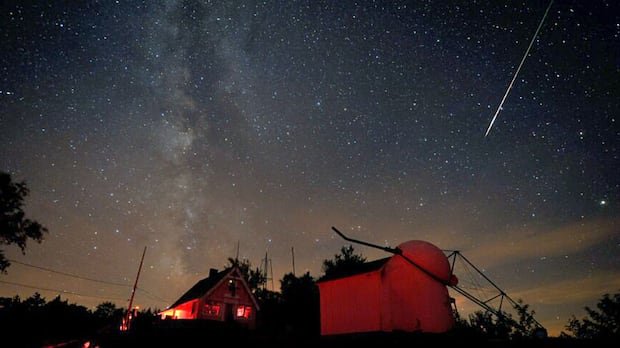
The Perseids, traditionally among the year’s most reliable meteor displays, typically peak in mid-August, delivering bright fireballs as Comet Swift-Tuttle’s debris streaks across Earth’s atmosphere. This year, skywatchers will have an added opportunity: a partial solar eclipse visible during the shower’s peak daytime hours in a large portion of the country.
Experts note that observing a meteor shower requires clear skies and a dark viewing environment after dusk to see the faint meteors in the night sky. However, the eclipse provides a separate daytime spectacle that some may be able to observe with appropriate eye protection or solar viewing methods.
Observers in Canada should check local viewing conditions and timing, as the exact visibility of both the Perseids and the eclipse will vary by region. The Perseids are typically most active after midnight and into the pre-dawn hours, while the eclipse will occur during daylight, necessitating different viewing plans for those hoping to catch both events.
Astronomy groups and science outlets are advising the public to use proper solar filters or eclipse glasses when looking at the sun and to never view the sun directly without protection. For those who cannot safely observe the eclipse, accompanying weather and sky-tracking updates may help in catching the meteor shower’s peak on clear nights.
The event promises a rare calendar alignment: a renowned meteor spectacle unfolding under daylight skies for many Canadian watchers, combining two dramatic cosmic phenomena into one summer experience. Local observatories, astronomy clubs, and regional science centers are expected to host talks and viewing sessions, offering guidance on safe observing practices and optimal viewpoints for the simultaneous celestial events.