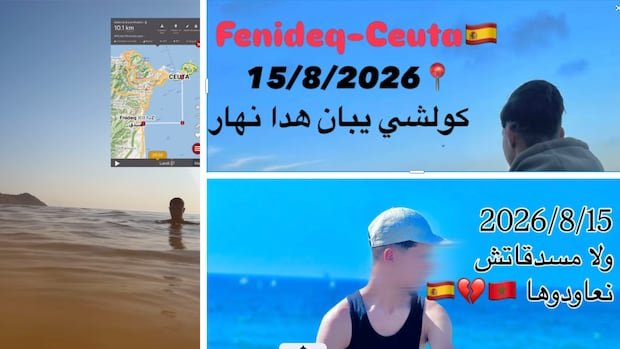
Thousands of migrants were mobilized toward Spain’s Ceuta enclave by viral social media posts, illustrating how online networks can harness desperation. The reports describe a mass movement tied to misinformation circulating across platforms, using a route map and striking imagery as part of its appeal.
The situation underscores a disconnect: experts say social media did not create the impulse to migrate, but it amplified and directed existing urges. While online content helped coordinate activity, the underlying drive remains rooted in broader conditions that push people to seek routes into Europe.
Details in the reporting highlight the timing around late July and the early days of the month, capturing how coordinated posts spread across networks to marshal thousands toward Ceuta. The imagery associated with the posts included flags and scenes at sea, aiming to capture attention and sustain momentum.
Authorities and observers are weighing the role of digital platforms in organizing large-scale movements. The analysis points to the power of shareable content to mobilize crowds quickly, raising questions about responsibility and the potential need for intervention to curb misinformation.
As the narrative develops, officials stress the importance of distinguishing between the motivational forces behind migration and the channels that accelerate it online. The core takeaway remains clear: while viral posts can mobilize, they did not originate the decision to migrate; they amplified existing factors and facilitated rapid coordination among people seeking to move.