On May 15, 1872, a crowd of about 1,500 workers in Hamilton took to the streets to demand a nine-hour workday, a bold challenge to the era’s labor norms. The march, though ultimately unsuccessful in achieving its immediate goal, helped seed protections for workers that would come in later years.
The event is presented as a landmark moment in the ongoing struggle over work hours. The rally underscored a push that began more than a century and a half ago and would influence labor standards far beyond its immediate outcome. Contemporary coverage links the 1872 action to modern labor activity, noting that today’s strikes reflect a historical thread traced back to those early efforts.
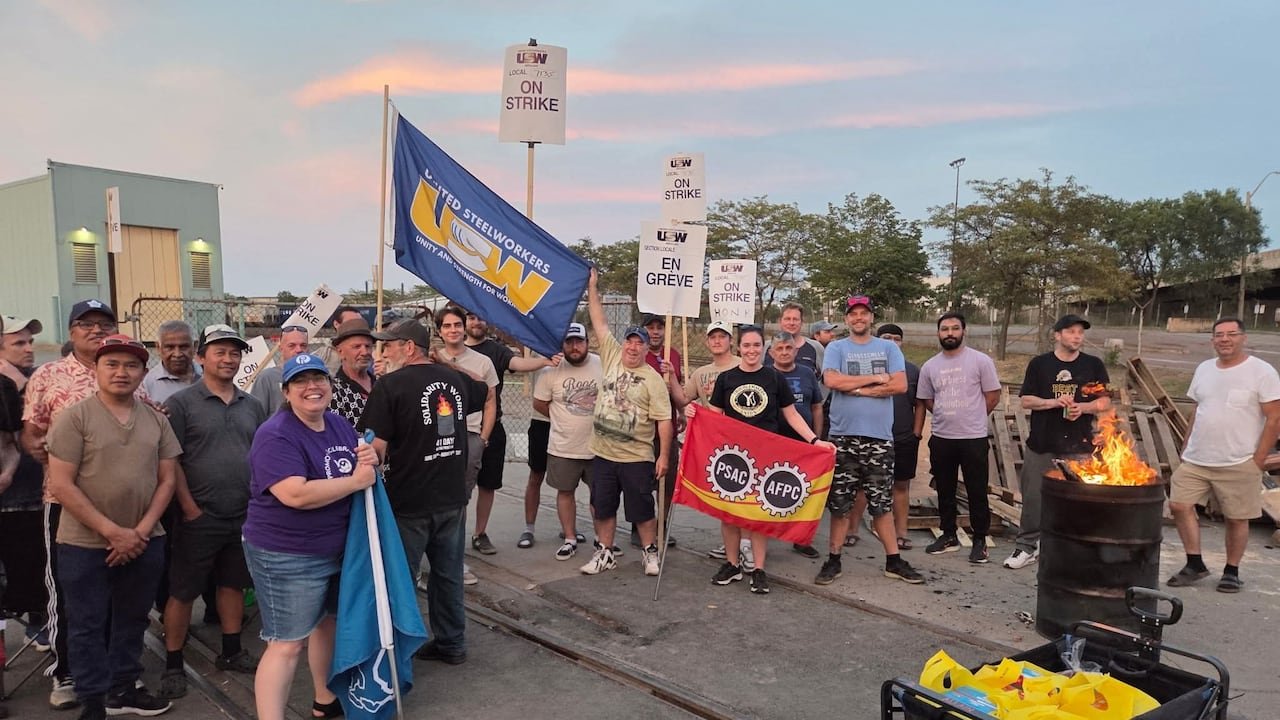
The article accompanying the photo describes the image of a large group of protesters smiling for the camera while holding strike signs and union flags, illustrating the lasting visibility and symbolic power of the Nine Hour Movement. It also notes ongoing labor actions, including strikes involving National Steel Car workers, indicating that collective bargaining and workday debates remain active in Hamilton.
While the original nine-hour demand did not immediately succeed, the piece asserts the movement’s enduring significance by connecting it to later laws protecting workers. The narrative positions the 1872 march as a foundational moment that helped shape the broader trajectory of labor rights in the region.
This historical thread is framed against current events, as local union leadership links past efforts to today’s strikes, presenting the 1872 effort as a precursor to ongoing campaigns for fair work hours and workplace protections. The article invites readers to consider how a century-and-a-half-old push continues to influence contemporary labor dynamics in Hamilton.