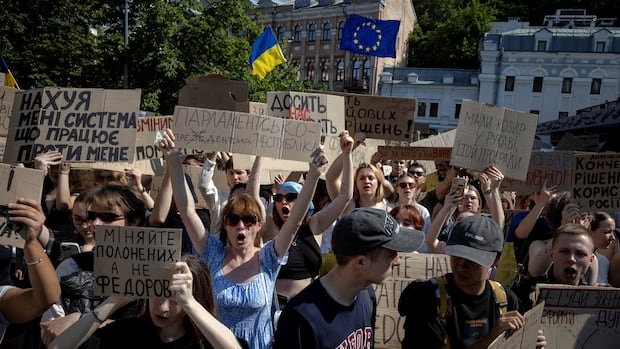
Sources indicate that Fedorov’s departure marks the fourth time Ukraine has cycled through the defense post since Russia launched its full-scale invasion in 2022. The decision to replace him has generated a notable public reaction, including protests in Kyiv, where demonstrators criticized President Volodymyr Zelenskiy’s administration for the personnel change at a sensitive moment in the conflict.
Details about the successor and the timing of the transition have not been fully disclosed in official statements, leaving questions about how the new minister will approach Ukraine’s defense priorities, arms supply, and coordination with allied partners. Analysts note that changes at the top of the defense ministry can reflect broader strategic recalibrations, political pressure, or shifts in alliance expectations as Kyiv seeks to sustain military momentum against Russian forces.
Officials have emphasized continuity in defense policy despite the leadership change, underscoring ongoing commitments to Ukraine’s security assistance programs and interoperability with Western partners. The reform comes as Kyiv continues to press Russia militarily while also addressing domestic concerns about governance and efficiency in wartime institutions.
Observers caution that personnel changes at the defense ministry can influence public sentiment and international perceptions of Ukraine’s war leadership. The government has not provided a detailed timetable for the transition, and it remains to be seen how the new minister will align with Kyiv’s broader strategy, including defense procurement, modernization efforts, and coordination with international supporters.
Further developments are expected as Kyiv outlines its ministry’s roadmap and as protests and political discourse continue to unfold in the capital. The public reaction to the leadership change highlights the high stakes of wartime governance in Ukraine.