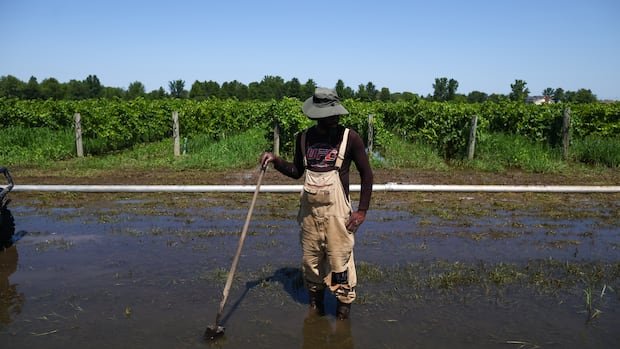
Images and reports from August 5, 2026, depict workers in floodwaters at Zabek Vineyards in Niagara-on-the-Lake, where pumps were deployed to drain standing water around grapevines. The scene illustrates the immediate impact on a region known for its wine production, where producers rely on stable growing conditions.
Local authorities and affected residents described the extent of the floodwaters as severe, with vintners indicating the deluge overwhelmed drainage systems and saturated soils. While no widespread reports of casualties were confirmed in initial briefings, farmers faced immediate concerns about crop damage, potential spoilage, and delayed harvest timelines.
Emergency measures were referenced in relation to the region’s response, though specifics about a declared state of emergency in any particular municipality were not provided in the initial summary. Officials emphasized the importance of flood control efforts, road clearance, and support for affected agricultural operations as cleanup progressed.
Growers and community members expressed both frustration and resilience. Vintners noted that the advanced planning and irrigation management typical of the area would be tested by the unusually intense rainfall. Some property owners reported water intrusion into vineyards and associated infrastructure, highlighting the vulnerability of rural-agricultural zones to extreme weather events.
Analysts and agricultural groups suggested that events of this scale may have broader implications for regional wine production, including potential delays in pruning and bud development. Local tourism and hospitality sectors, which rely on Niagara’s reputation as a premier wine destination, were also monitoring the situation as roads reopened and residents assessed damage.
Officials urged residents to heed safety advisories as weather conditions evolved and cleanup operations continued. The incident underscores the region’s ongoing exposure to intense rainfall and the need for resilient drainage and mitigation strategies across both urban and agricultural landscapes. Further updates from municipalities and industry groups were anticipated as assessments proceed.